A gasket that seals in the sample and leaks on reorder is usually a different compound, not a worse one. Spare-parts orders are where material substitution happens quietly, because the part number stays the same while the supplier’s source changes.
This scorecard covers what to measure on a reorder gasket, what compatibility evidence to demand, and which repeat-order controls keep the second batch identical to the first.
Direct answer: Score a gasket supplier on dimensional and material control against your retained sample, not on the part number. Assemble the sample with your own coupling halves at the specified torque and check compression, extrusion, and seating before approving a reorder.
Define the coupling and gasket reorder scope
For fire hose coupling, use Define the coupling and gasket reorder scope as one RFQ checkpoint. Each row should identify the requirement, approval evidence, and buyer action before production.
| Requirement | Factory control | Evidence to verify | Order risk | RFQ follow-up |
|---|---|---|---|---|
| Sample approval | Supplier submits pre-production sample for dimensional and fit check against your coupling and hose tail. | Measure coupling interface and gasket seat on sample using calibrated go/no-go gauge; document results. | Without approved sample, production may yield non-interchangeable parts causing field assembly failures. | Request sample per agreed specification; approve only after written sign-off on fit and dimensions. |
| MOQ and order quantity | Factory sets minimum order quantity per coupling model and gasket size; negotiable only with confirmed forecast. | Compare supplier MOQ table against your annual reorder volume and inventory turnover rate. | Over-ordering ties capital in slow-moving stock; under-ordering risks stockout during emergency refill. | Ask supplier to confirm MOQ by model and whether mixed-size orders count toward minimum. |
| Material / substrate | Supplier provides material data sheet listing rubber compound, durometer, and temperature range for gasket. | Cross-check data sheet against your required standard (e.g., EPDM, NBR) and request third-party test report. | Wrong compound causes premature gasket hardening or swelling, leading to coupling leakage under pressure. | Request material certification with batch number; shortlist only suppliers who disclose compound details. |
| Width or size tolerance | Factory holds coupling thread and gasket groove dimensions within the buyer-approved tolerance per drawing or industry standard. | Use micrometer or thread gauge on three random samples from production lot; record deviations. | Oversized gasket groove causes blowout; undersized thread prevents hand-tightening, delaying hose connection. | Request supplier’s dimensional tolerance sheet and approve only if within the buyer-approved tolerance or tighter. |
| Finish or color control | Supplier applies consistent anodized or painted finish per agreed RAL or color chip; no bare spots. | Visual inspection under standard lighting; use gloss meter if specified; check for corrosion resistance. | Inconsistent finish may indicate poor surface prep, leading to early corrosion and coupling seizure. | Request finish sample chip and salt-spray test report; approve only after visual and corrosion check. |
Keep the supplier response, marked sample, and approval owner for fire hose coupling under the same revision number. If any proof conflicts with the approved record, hold the quote, sample, or production release until the supplier explains the deviation in writing. Before closing the checkpoint, reconcile the latest drawing, sample, quotation, and approval comments, identify which record controls if they disagree, and document the resolution. Carry the signed Define the coupling and gasket reorder scope table into the purchase order and production handoff so the same checks support quote comparison, sample approval, shipment release, and later reorders.
Score dimensional and material control
| Option | Best fit | Trade-off | Risk to avoid | Verification | Follow-up |
|---|---|---|---|---|---|
| Current specification reorder | Matching existing coupling dimensions and gasket compound exactly | No cost reduction; locks you into the original material and tolerance band | Supplier may substitute a near-match compound that fails under pressure | Compare batch-specific material data sheet against the original approved spec | Request a pre-production sample and dimensional report before bulk release |
| Alternative specification upgrade | Improving gasket durometer or temperature range for longer service life | Higher per-unit cost and possible coupling interface re-fit | New compound may not seat properly in existing hose tails or couplings | Fit sample gasket onto actual coupling and hose tail; measure compression set | Document the new spec in the reorder contract and request a pilot batch |
| Custom option for non-standard thread | Unique thread pitch, groove depth, or gasket profile not in the supplier catalog | Longer lead time and higher MOQ; tooling cost may apply | Custom dimensions may not match future off-the-shelf spare parts | Submit a 2D drawing with tolerances; request a first-article inspection report | Confirm tooling amortization and minimum order quantity by RFQ |
| Safer fallback with dual-source approval | Approving a second supplier for the same spec to avoid single-source risk | Splitting volume may reduce leverage for pricing or lead-time priority | Second supplier's material control may drift without ongoing audits | Run a side-by-side pressure test on samples from both suppliers | Establish a quarterly batch-review cadence with both suppliers |
For current specification reorder, a poor decision can mean supplier may substitute a near-match compound that fails under pressure. Ask the supplier to compare batch-specific material data sheet against the original approved spec.
For building commercial fire protection solutions, preserve the current specification reorder decision under one revision number: keep the supplier response, marked sample, approved specification, quotation, and approval owner together. If the evidence conflicts with the approved record, hold the quote, sample, or production release until the deviation is explained in writing. Once the buyer and designated technical authority have accepted the evidence, carry the signed Score dimensional and material control record into the purchase order, production handoff, shipment release, and later reorder review so every team works from the same baseline.
Evaluate compatibility evidence
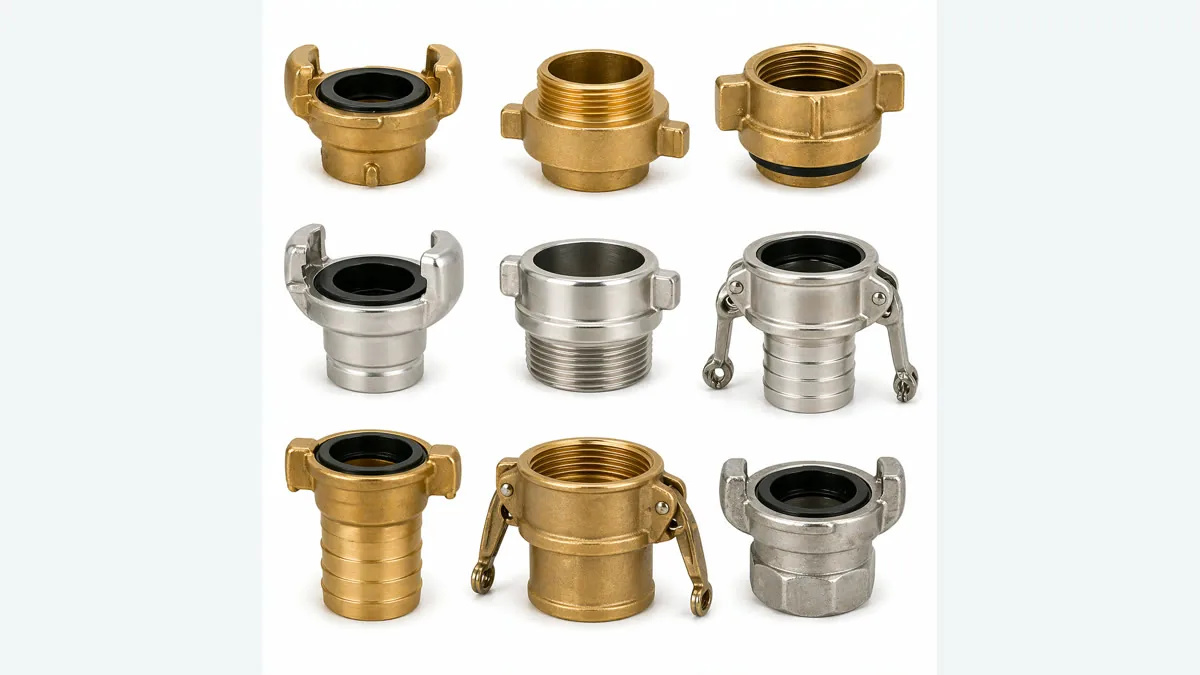
Before approving a fire sprinklers alarm valves products gasket supplier for spare-parts reorders, verify that the supplier’s sample gasket matches your retained coupling components. Request dimensional drawings that include inside diameter, outside diameter, and thickness tolerances. Confirm fit by conducting a dry assembly with your existing coupling halves and record any interference or gap. This RFQ checkpoint ensures the reorder gasket will seal under operating pressure without modification.
Request drawings and sample checks
Ask the supplier to provide a 2D drawing with critical dimensions and a material specification sheet. Cross-check the drawing against your retained coupling’s bore and groove dimensions. Then request a pre-production sample—typically 5 to the quoted quantity—and perform a visual and dimensional inspection. Use a caliper or go/no-go gauge to verify that the gasket’s cross-section and hardness meet your interface requirements.
Confirm fit with retained components
Assemble the sample gasket with your actual coupling halves and tighten to the specified torque. Check for uniform compression, absence of extrusion, and proper seating in the groove. If the gasket shifts or deforms, request a revision to the compound or profile. Document the fit test results and share them with the supplier as part of the quote request handoff. This step reduces production risk and confirms that the reorder will function as a direct spare part.
| Verification Step | What to Check | Evidence Required |
|---|---|---|
| Drawing review | ID, OD, thickness tolerances | Supplier drawing with dimensions |
| Sample inspection | Visual defects, hardness, cross-section | Inspection report with measurements |
| Fit test | Compression, seating, no extrusion | Assembly photo and torque record |
After completing these checks, you can approve the supplier for the reorder with confidence that the gasket will match your existing coupling. This evidence-based approach minimizes rework and ensures consistent sealing performance in the field.
Review quality and repeat-order controls
Before approving a about us gasket supplier for spare-parts reorders, verify that the supplier’s sample gasket matches your coupling interface dimensions. This checkpoint ensures dimensional and material consistency across reorder lots.
Assess inspection and lot records
Request the supplier’s dimensional drawings and a sample gasket. Confirm that the inside diameter, outside diameter, and thickness match your coupling specifications. Ask: “Can you provide inspection records for the last three lots?” This verifies repeatability.
Check change-notification discipline
Evaluate the supplier’s process for notifying buyers of material or dimension changes. A practical checklist includes:
- Does the supplier maintain a change-notification log?
- Are you notified before any compound or mold modification?
- Is a pre-shipment sample required after any change?
Use this decision matrix as an approval sequence:
| Checkpoint | Buyer Verification Question |
|---|---|
| Dimensional match | Do the sample gasket ID, OD, and thickness match your coupling? |
| Material consistency | Is the durometer and compound per your RFQ? |
| Lot traceability | Can the supplier provide lot numbers and test reports? |
| Change notification | Does the supplier have a documented change-control process? |
After confirming these controls, proceed to the next stage: production risk assessment.
Use the scorecard to approve a supplier
Start by verifying that the supplier’s sample gasket matches your catalog products’s interface dimensions. Measure inside diameter, outside diameter, and thickness with a calibrated caliper; record the results on the scorecard. This single check confirms whether the supplier can hold the tolerances required for a leak-free seal.
Next, review the supplier’s quote request response for three items: material specification (e.g., EPDM or nitrile), MOQ, and unit price. If the material grade is not stated, ask for a data sheet. minimum order must align with your reorder quantity; if it exceeds your typical order, negotiate a lower first-run minimum order or request a sample batch at reduced cost.
Then evaluate production risk by asking the supplier for their quality control procedure for gasket molding. A written procedure that includes in-process dimensional checks and a final inspection step reduces the chance of receiving out-of-spec parts. Confirm that the supplier can provide a certificate of conformance with each shipment.
Use the table below to score each criterion. Assign 1 point for a pass, 0 for a fail. A supplier scoring the buyer-approved test threshold is approved for the reorder.
| Criterion | Pass (1) | Fail (0) |
|---|---|---|
| Sample gasket dimensions match coupling interface | All three measurements within the buyer-approved tolerance | Any measurement out of tolerance |
| Material specification provided and acceptable | Grade matches your requirement | Grade not stated or incompatible |
| MOQ ≤ your reorder quantity | MOQ is equal or less | MOQ exceeds reorder quantity |
| Quality control procedure documented | Written procedure with in-process and final checks | No written procedure or steps unclear |
After scoring, complete the quote request/sample handoff by sending a signed approval and purchase order. File the scorecard with the supplier’s sample and certificate of conformance for your records. This process ensures every reorder is based on verified data, not assumptions.
Source check: ISO 9001 quality management standard; NFPA codes and standards; NH fire hose coupling manufacturer.
In conclusion
The final approval of a fire hose coupling spare parts reorder supplier comes down to verifying that the interface dimensions, gasket material, and batch-specific evidence match your existing equipment. Compare each candidate’s documented spec sheet against your coupling’s actual measurements, and confirm that the quoted cost, minimum order, and lead time align with your reorder cycle. By shortlisting only suppliers who provide clear, verifiable proof of fit and quality, you reduce the risk of mismatched parts and production delays. Once you have validated the spec and approved a sample, the procurement team can proceed with confidence.
To request a quote, visit fire hoses reels couplings products and confirm the final specification, quote assumptions, sample approval, QC evidence, approval risk, and supplier follow-up before bulk order.
Frequently Asked Questions
Which dimensions identify a fire hose coupling gasket?
The critical dimensions are the gasket’s inside diameter, outside diameter, and thickness, which must match your coupling’s groove or seat profile. Confirm these against the original part’s specification sheet or a measured sample, and include the tolerance range in your quote request to avoid sealing failures. Ask the supplier to confirm factory capability and who owns follow-up.
What material evidence should gasket suppliers provide?
Suppliers should provide a material data sheet listing the rubber compound (e.g., EPDM, silicone, or nitrile), durometer hardness, and temperature range, plus a certificate of analysis from the batch used. Verify that the material meets your application’s chemical resistance and aging requirements, and request a sample for compression-set testing before approving the lot.
When should a reorder gasket sample be fitted?
Fit the sample gasket onto the actual coupling and hose tail as soon as you receive it, checking for a snug seal without over-compression. Document the fitment with photos and a leak test at your working pressure, then compare the results to your approved specification before releasing the full reorder quantity. Ask the supplier to confirm factory capability and who owns follow-up.
quote request handoff: Send Specs for Review.