Route the requirement
Send the product family and model, quantity per model, and destination market.

Minwen Fire · fire protection equipment manufacturing
Minwen Fire runs limited OEM and private-label programs on the fire equipment families it already manufactures in Nan'an, Quanzhou. That means marking, labelling, body colour, packing, and repeat-order control on an existing product, not a new pressure rating and not a new mould.
Customization scope
An OEM inquiry fails late when the supplier answers "yes, we can customize" to everything and the limits surface after sampling. These are the limits up front.
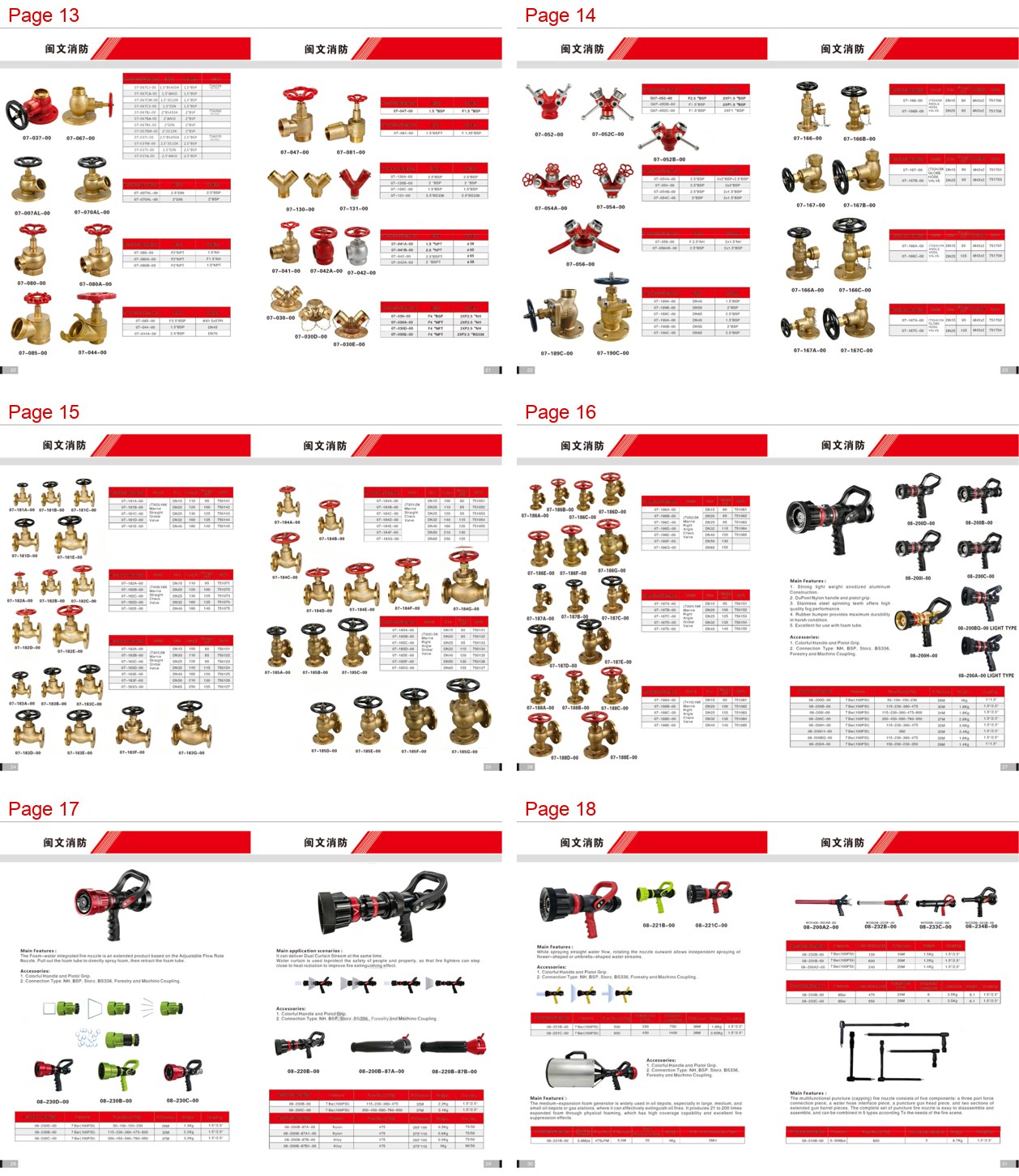
In scope on existing families: marking, labelling, body colour, packing, and repeat-order control on an existing product
Not in scope: a new pressure rating or a new mould
If your program needs anything in the second list, this is not the right supplier for it, and the honest answer costs you less than a sampling cycle.
Spec-to-quote checklist
Quotes come back vague because the inquiry was vague. This is the input set that lets the factory price the actual job instead of a guess.
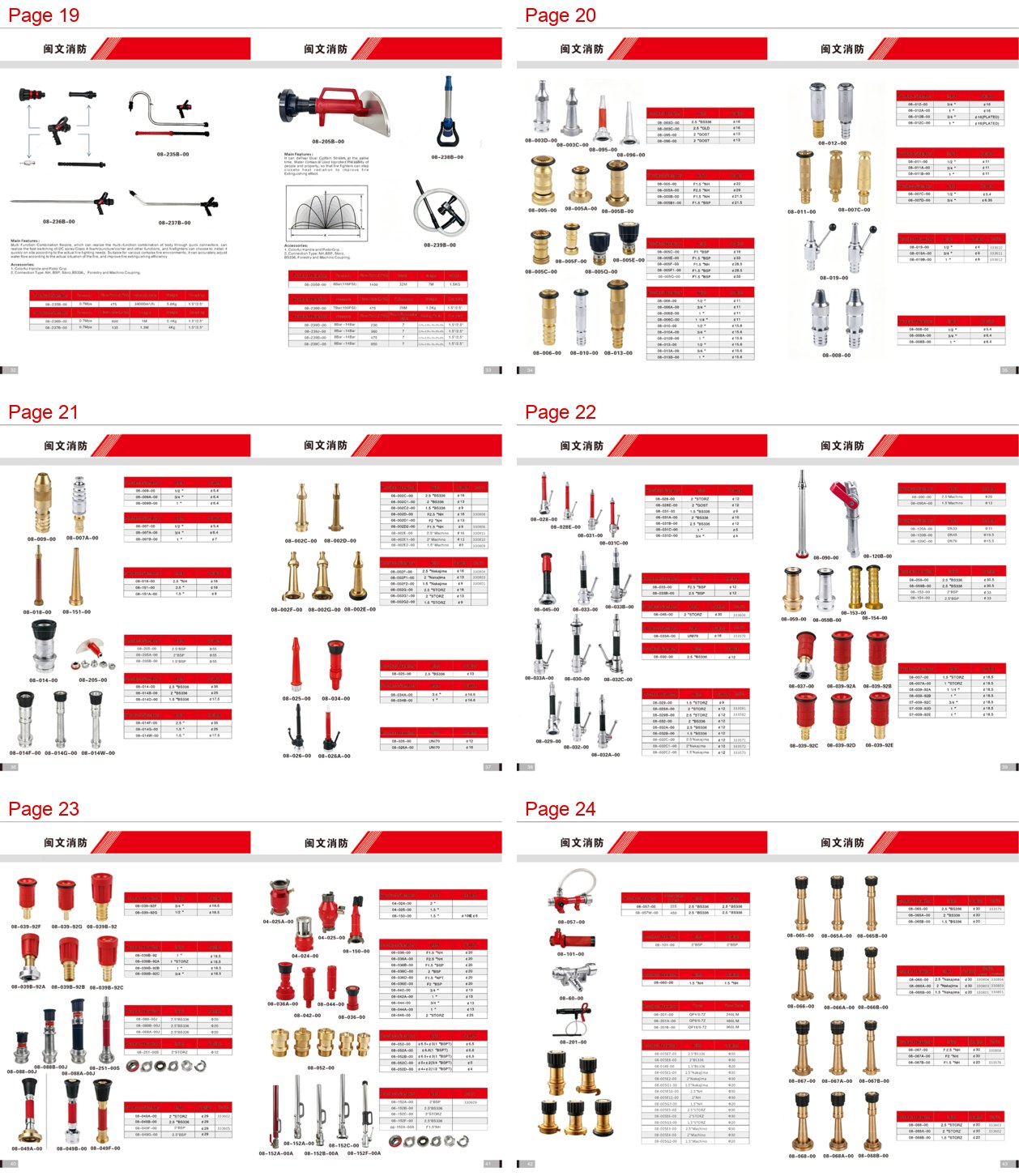
Product: product family and model or series from the catalogue; quantity per model, and whether the order is mixed across models; destination market and the standard that market accepts.
Branding: artwork files for product marking and for the carton, with the required print method noted; label content, language, and any regulatory text your market requires; body colour reference, stated as a colour system value rather than a description.
Order: packing requirement (inner packing, carton, pallet, and container preference); whether a sample must be approved before bulk, and who signs the approval; nominated inspection agency, if you use one; target delivery window and trade term preference.
Materials, printing, finishing
Customization on this product category is mostly surface work.
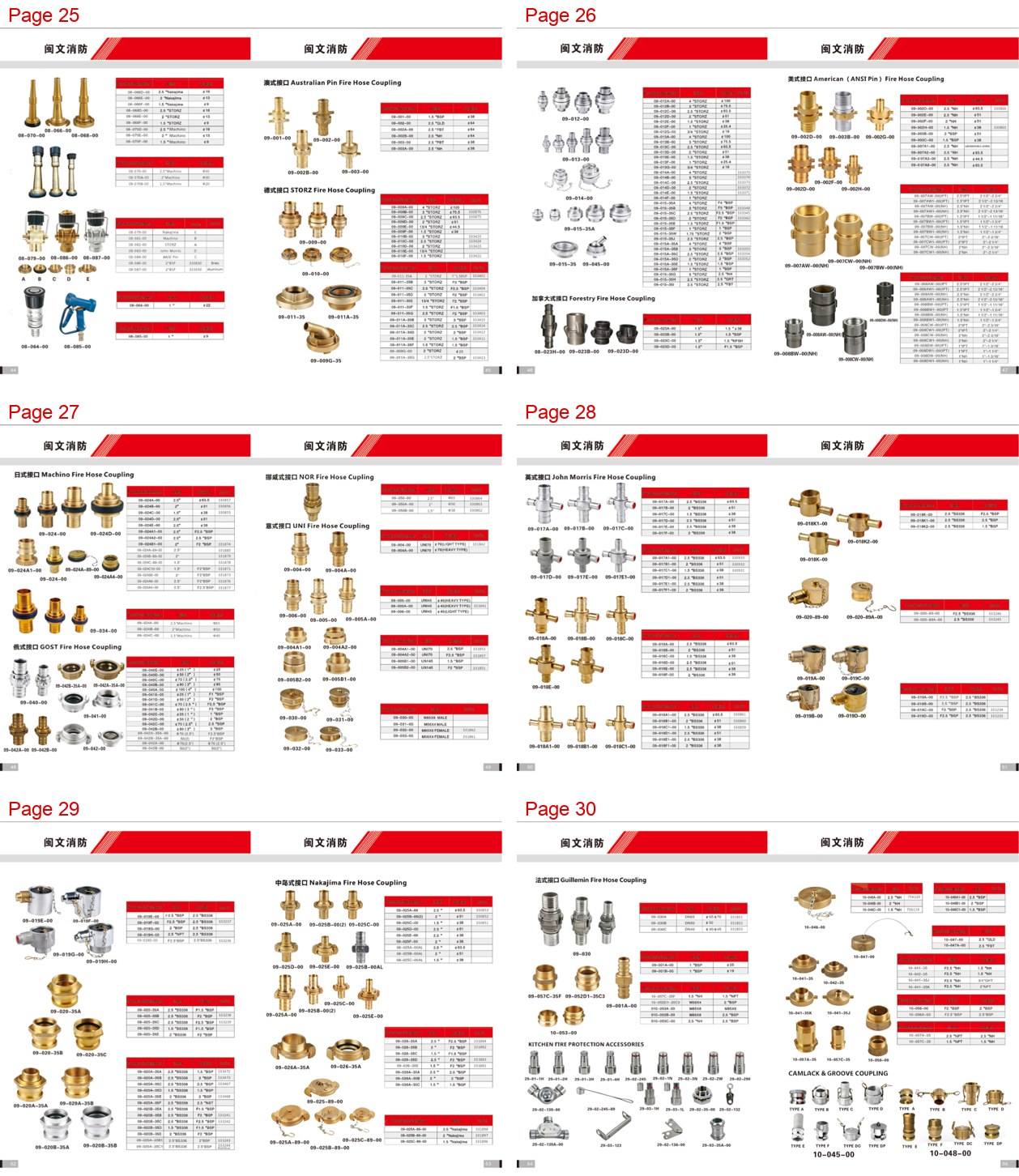
Which of these are open on your chosen model is confirmed at quote stage, because the marking area and finish set differ between a cylinder, a valve body, and a cabinet.
OEM fire cabinets
On most product families, customization means marking and packing on an existing unit. Enclosures are the exception. A fire cabinet is sheet metal work, so the dimensions themselves are the specification — which is why an OEM cabinet programme looks different from an OEM extinguisher programme, and why the two carry different lead times.
External dimensions are built to your drawing. Height, width and depth to the drawing you send, not selected from a size chart. That is the difference that matters when the cabinet has to fit a riser opening or a recess that is already poured — the enclosure is made to the wall, not the wall to the enclosure.
Material is chosen against the environment, not the budget line. Cold-rolled steel, SS 304, SS 316 or GRP on confirmation. Coastal and corrosive sites are where this decision is worth arguing about: a steel cabinet in a marine atmosphere becomes a warranty conversation, and GRP or SS 316 is the answer that avoids it. Tell us where the units are installed, not just which country they ship to.
Finish, glazing and branding. Red powder coat RAL 3000 as standard, with the full RAL palette on request. Glazing in clear acrylic, polycarbonate or break-glass. Door labels or nameplates for branded distribution — the part most distributors actually mean when they ask about OEM cabinets.
What stays fixed. The construction method. We build to your drawing, not to a different process — so a drawing that assumes a fabrication method we do not run comes back with a question rather than a quotation. MOQ is 200 pcs per model, and a programme covering hose, hydrant and extinguisher cabinets carries three thresholds rather than one.
Approval path
The risk in a private-label program is not the first sample. It is the third order, when the product quietly stops matching the sample you approved. The sequence below exists to make that visible.
Send the product family and model, quantity per model, and destination market.
One approved sample is held as the physical reference.
The same inspection points are applied to the reorder, not just to the first run.
Model, quantity, destination, artwork, colour, and packing are fixed in writing before anything is made.
Pricing drivers
No prices appear on this page. What follows is what to adjust when a quote comes back higher than your target, and what holds a repeat order to the original approval.
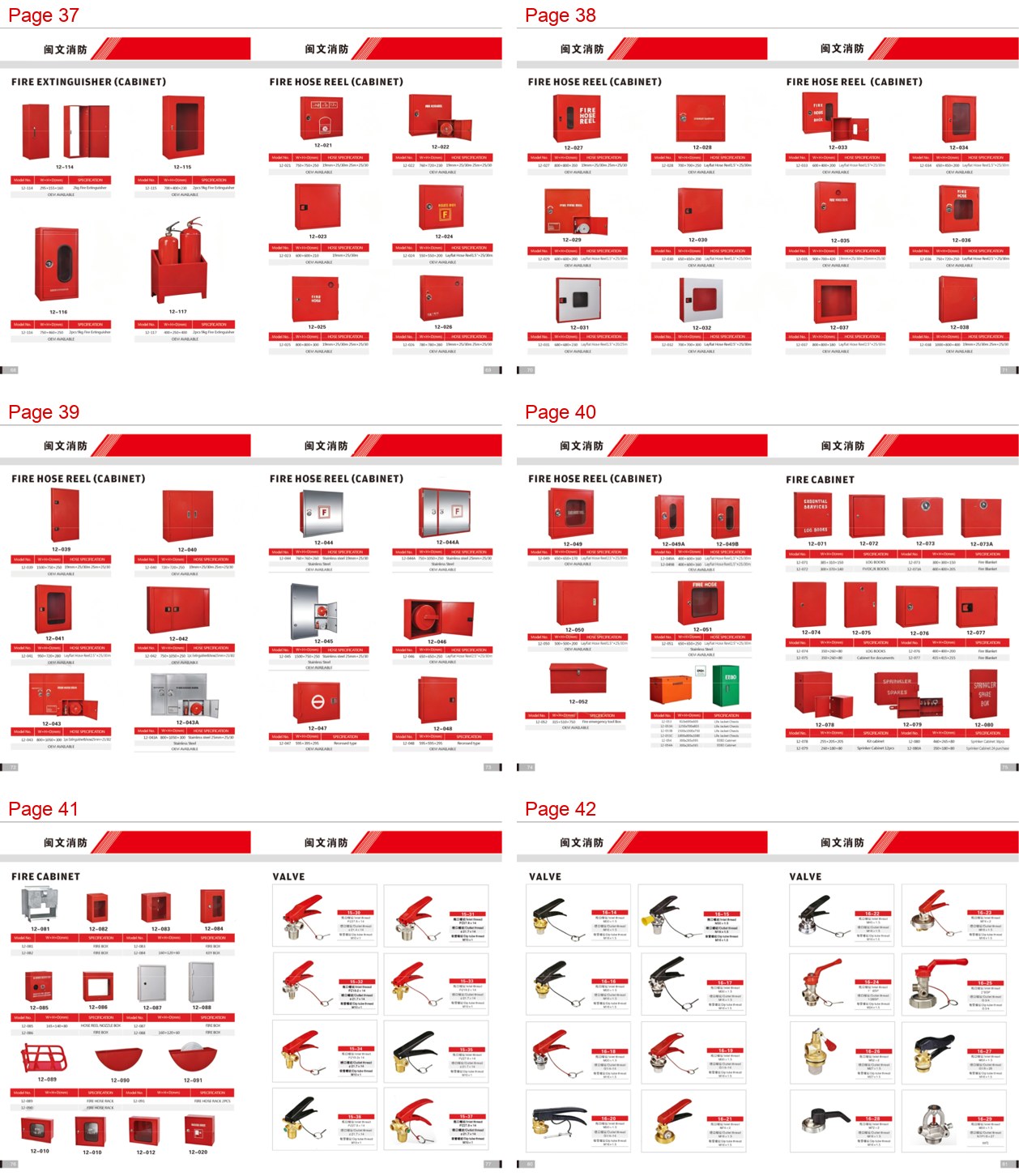
Moves the price: quantity per model, and how many models share one order; whether the marking method is already run on that family or needs a setup; body colour inside or outside the finishes already run; carton and inner packing complexity for the destination route; whether third-party inspection is nominated, and at which stage.
Keeps reorders consistent: one approved sample held as the physical reference; versioned artwork, so a revised file cannot be mistaken for the approved one; the same inspection points applied to the reorder, not just to the first run.
Quality evidence
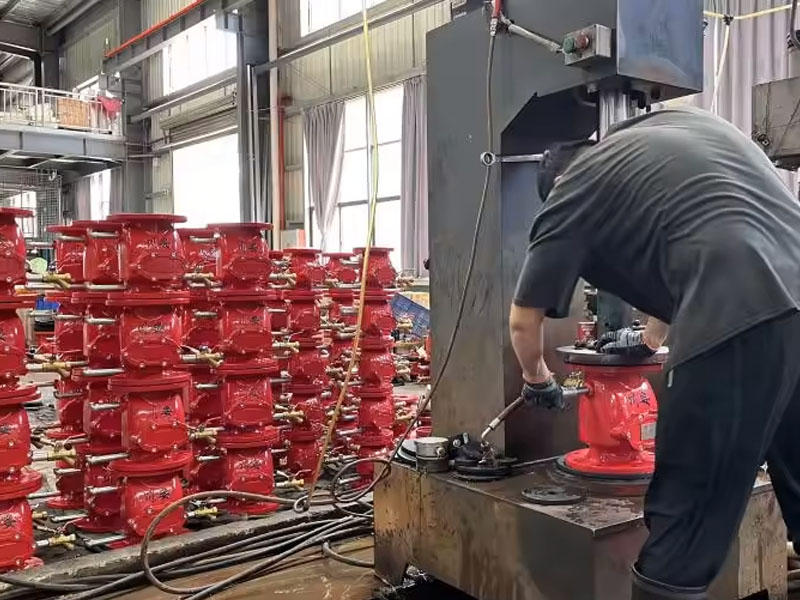
Available for review: factory and production-line photography from the Nan'an site (15,000 sqm, 20 production lines, manufacturing since 2001); process and packing evidence from current production; inspection at incoming, in-process, final, and packing stages, with your nominated agency admitted at final stage.
If your channel needs a certificate scope confirmed before you will send a brief, ask for it directly and it will be answered for the model in question.
Common questions
RFQ review
If your program sits inside the scope stated at the top of this page, send the model list, quantities, destination, artwork, colour reference, and packing requirement. That is enough for a real first quote instead of a placeholder.