Company and quality-system records
- Match
- Legal-entity name, issuer, validity date, scope, and public-use permission.
Limit
A quality-system record does not certify every product.
Verify the factory before the quote
Verify Minwen Fire’s identity, document scope, inspection requests, and quote assumptions before supplier approval.
A wrong model, connection standard, or document scope can delay technical approval and purchasing. Tie each supplier statement to the exact item, market, and evidence request.

The May 2026 catalog can support family and model references. It does not by itself prove current availability, in-house origin, certification, or destination-market acceptance.
Keep every missing input open rather than guessed, then bind the approved specification and required evidence to the order.
State the hazard or site condition, product category, destination market, applicable standard, connection or thread requirement, quantity by model, and delivery target.
Match the proposed series to the size, pressure, fire rating, agent type, K-factor, temperature rating, material, or trim arrangement that applies.
Where a sample or pre-production review is required, record the approved specification, marking, label, packing rule, and revision before bulk release.
Set the required inspection stage, test method, report scope, nominated agency, and packing evidence in the RFQ. Request dated, model- or batch-bound records where the decision depends on a result.
| Checkpoint | Buyer decision | Evidence to request |
|---|---|---|
| Incoming materials or components | Do material, dimensions, and connection standards match the approved specification? | Supplier record, material document where applicable, and dated photos tied to the item. |
| In-process assembly | Are critical components and settings consistent with the approved revision? | Stage checklist, traceable photos, and a deviation record if anything changed. |
| Model or batch testing | Does the required method and set point apply to this exact model or batch? | Method, set point, date, result, reviewer, and model or batch reference. |
| Final inspection | Do identity, dimensions, marking, quantity, and packing match the order? | Final checklist, label or nameplate photo, quantity record, and packing photos. |
| Third-party inspection | Is an independent review required before shipment? | Named agency, inspection scope, booking point, and release document agreed in the order. |
Third-party pre-shipment inspection can be discussed with SGS, Bureau Veritas, or Intertek. The buyer should nominate the agency and define the scope before production or shipment scheduling.
A document is useful only when its holder, issuer, validity, product scope, model mapping, and destination-market role match the decision.
A quality-system record does not certify every product.
A logo or cover page cannot establish model-level coverage.
A catalog value is not a batch result.
Carry one approved revision from the quotation and sample decision into production, packing, shipment release, and any repeat RFQ.
Product, marking, packing, inspection, and document records should all point back to the same approved baseline.
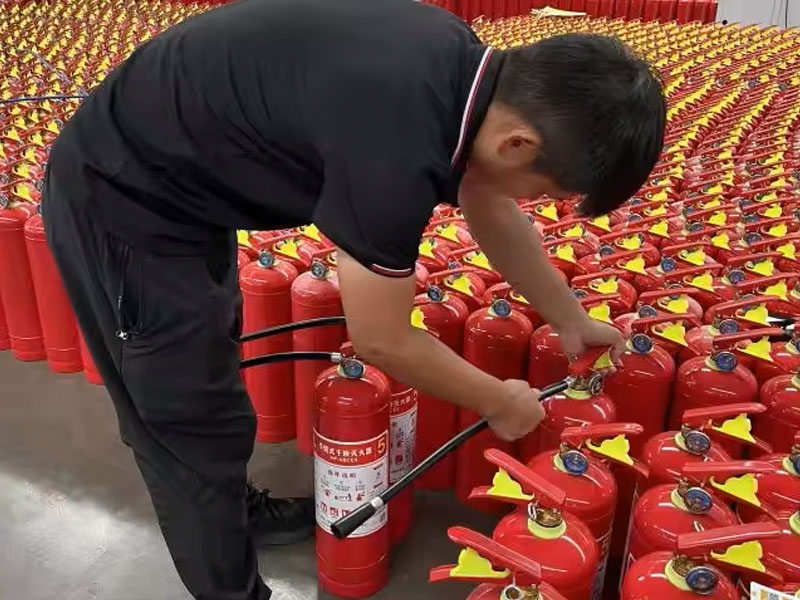
Review the legal company identity and factory-floor photographs.
Request the catalog page, model reference, specification revision, sample or pre-production approval, marking, and packing rule that should control the order.
For fire protection sprinklers, confirm orientation, K-factor, temperature rating, response type, and applicable document scope.
Agree which QC record, test record, final photos, third-party inspection document, and packing evidence will be supplied.
Use these answers to define what is known, what must be matched to a model or market, and what should enter the RFQ.
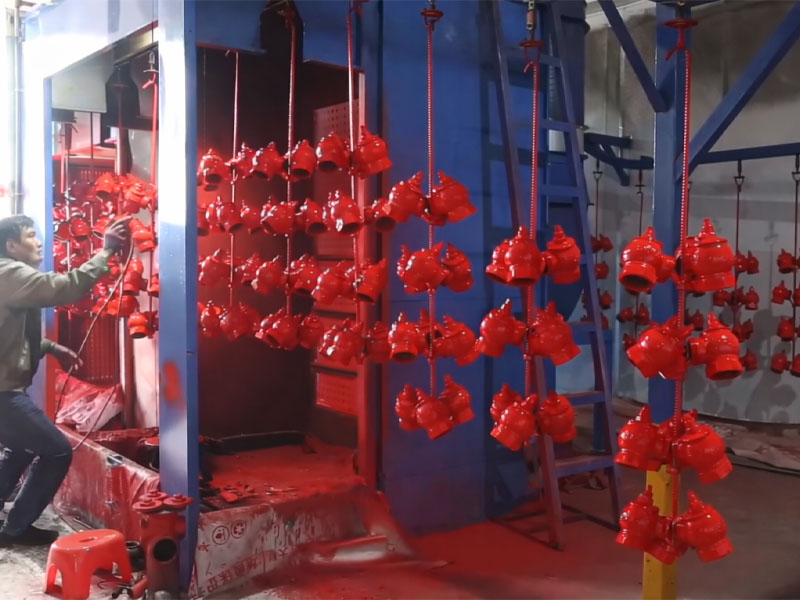
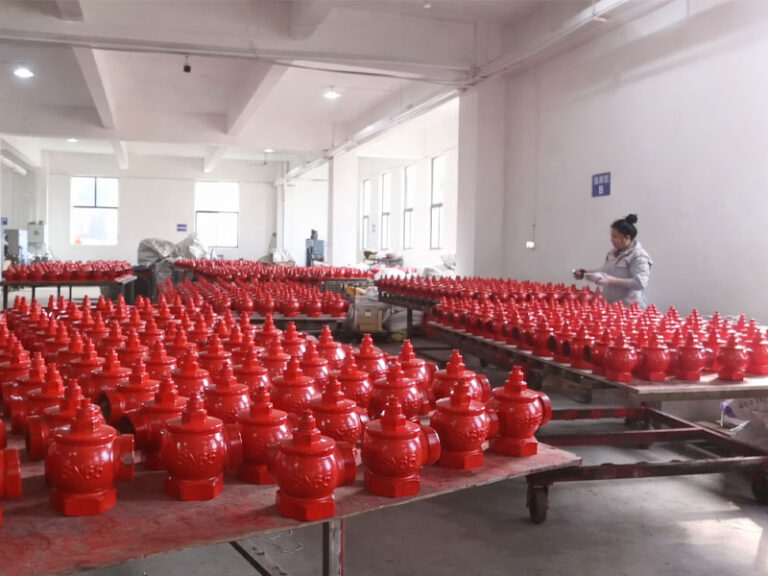
Minwen is a self-owned factory in Nan’an, Quanzhou. Because product origin can vary by family, confirm whether each quoted item is manufactured, assembled, or sourced.
Verify the legal entity, application fit, specification revision, product origin, document scope, model-level evidence, inspection plan, packing basis, and quote assumptions. Keep every unresolved item explicit.
Send the application, hazard or site condition, destination market, required standard, connection details, quantity, and target date. Minwen can identify the questions that must be resolved before model selection.
Use the same model or category, specification, quantity, certification request, inspection scope, packing rule, destination, trade term, and delivery target for every supplier.
Certificate coverage is usable only when the legal holder and issuing body are clear and the document is current. Its standard and scope must match the exact model, product category, and destination market.
Yes, request the record required for the quoted model or order. Availability must be confirmed.
Approve one controlled specification covering model, dimensions, components, marking, label, packing, and revision. State which evidence must match that baseline before bulk release.
Third-party inspection can be discussed with SGS, Bureau Veritas, or Intertek. Name the agency, scope, timing, acceptance basis, and responsible party in the RFQ.
Treat them as separate technical decisions. Provide the system basis and required standard, then request model-specific dimensions, connections, ratings, document scope, and applicable test evidence.
No. Ask for the current MOQ and schedule by model, configuration, certification need, sample requirement, quantity, and delivery destination.
Minwen’s factory team will check the submitted specification, mark details that still need clarification, and document the evidence available for the proposed model.