fire monitor turret rotation fix is the first checkpoint buyers should lock before they approve a supplier, budget, or production slot. When a $50,000 fire monitor order lands at your warehouse and the turret won’t budge past 15 degrees, what’s the first question you ask the supplier? Many safety managers reach for the warranty clause. The smarter question: “What torque value did your factory record on the pre-production sample, and can you send me that sheet before we discuss the FOB pricing adjustment?” If the answer is a blank stare or a generic spec sheet with no actual test numbers, you’ve already found the root cause of the seizure. Galvanic corrosion between the bronze bushing and steel shaft didn’t start at your site. It started the moment that turret left the assembly line without a proper anti-seize compound or a zerk grease fitting. The sample approval stage is where rotation problems get locked in—or prevented.
Galvanic corrosion is a common cause of turret seizure. Some maintenance guides recommend annual lubrication as if every site operates in a clean indoor warehouse. In petrochemical and chemical environments, failures can come much sooner. That gap between recommended maintenance and actual field performance is where a repair becomes a replacement—and where a pre-installed zerk fitting changes the math entirely. PTFE-lined bushings drop the coefficient of friction from 0.20 to 0.08, but only if the assembly was designed to accept grease without full disassembly.
Before you pick up a wrench or call procurement to approve a replacement purchase order, run this three-point decision checklist on the stuck turret in front of you: (1) Can the supplier produce the original torque test data from the factory—not a brochure, but the actual measurement from that serial number? (2) Does the turret base have a grease fitting, and if not, can your team install one within the hour using a retrofit kit? (3) Is the shaft wear depth under 0.5 mm, keeping you in repair territory, or has it gone past the threshold where only a full assembly swap makes financial sense? Answer those three questions, and you’ll know within five minutes whether you’re looking at a quick field fix or a sourcing decision that requires a hard conversation about quality tolerances with your current supplier.
Why Fire Monitor Turrets Seize – The Physical Mechanism
Torque climbs as corrosion locks the bushing to the shaft.
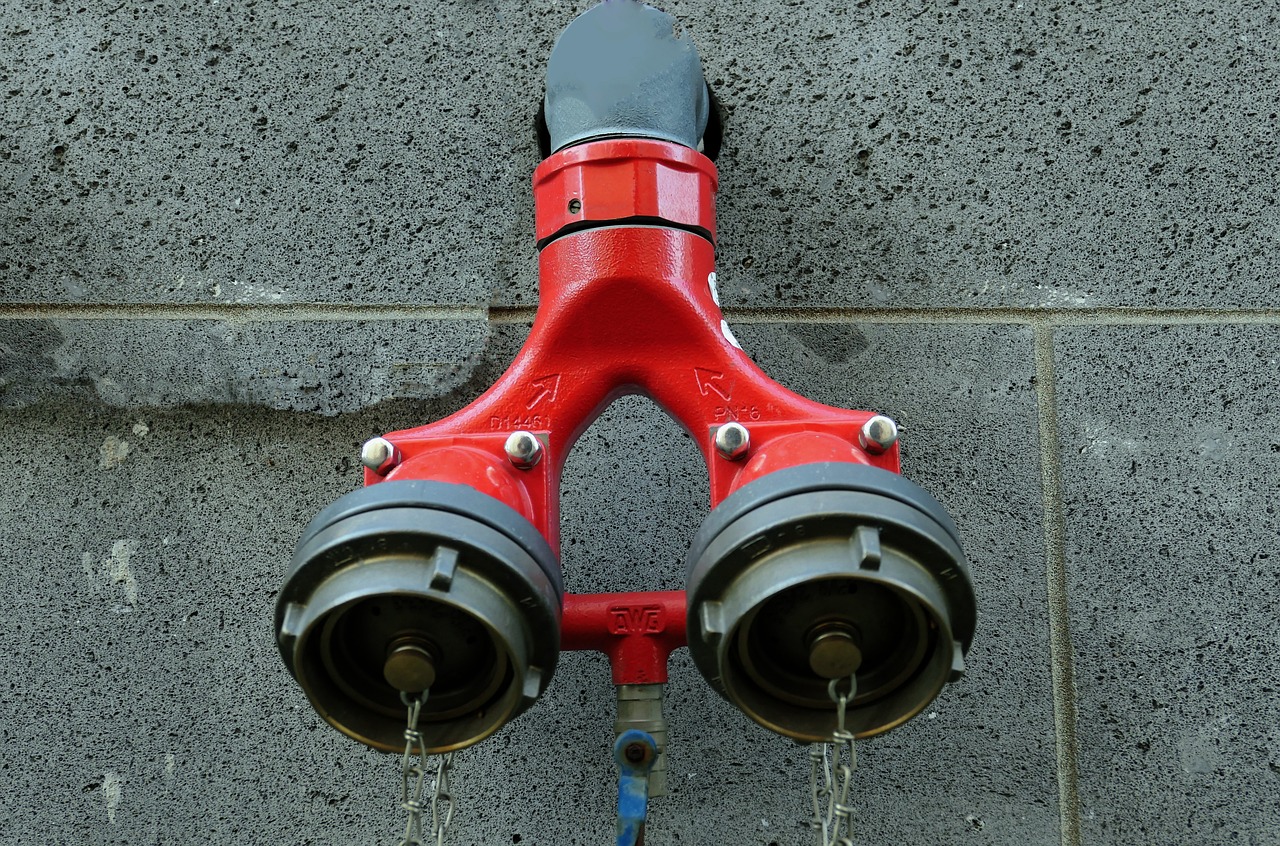
A seized fire monitor turret traces back to one primary mechanism: galvanic corrosion. The moment a bronze bushing mates with a carbon steel or stainless steel shaft in the presence of moisture and oxygen, a galvanic cell forms. Bronze corrodes preferentially, generating a hard oxide layer that physically locks rotation. Offshore platforms and chemical plants accelerate the process with salt-laden air or acidic vapors.
- <10 Nm: Factory specification; smooth operation, no intervention required.
- >20 Nm: Maintenance threshold; increased friction, schedule lubrication immediately.
- >50 Nm: Imminent failure; bushing-shaft seizure likely, forced rotation risks casting fracture.
Lack of lubrication turns this slow corrosion into a rapid failure. NFPA 25 §13.3 requires quarterly greasing, but many monitors never see a grease gun in that timeframe. When the grease film breaks down, metal-to-metal contact initiates adhesive wear. Steel transfers onto the bronze, torque escalates non-linearly, and the bushing surface degrades. In corrosive environments, monitors can seize well before a 12‑month service interval when the grease barrier is absent. Some OEMs omit a simple zerk fitting, forcing a full disassembly for what should be a 30‑second maintenance task.
5 Field Fixes for a Stuck Fire Monitor Turret
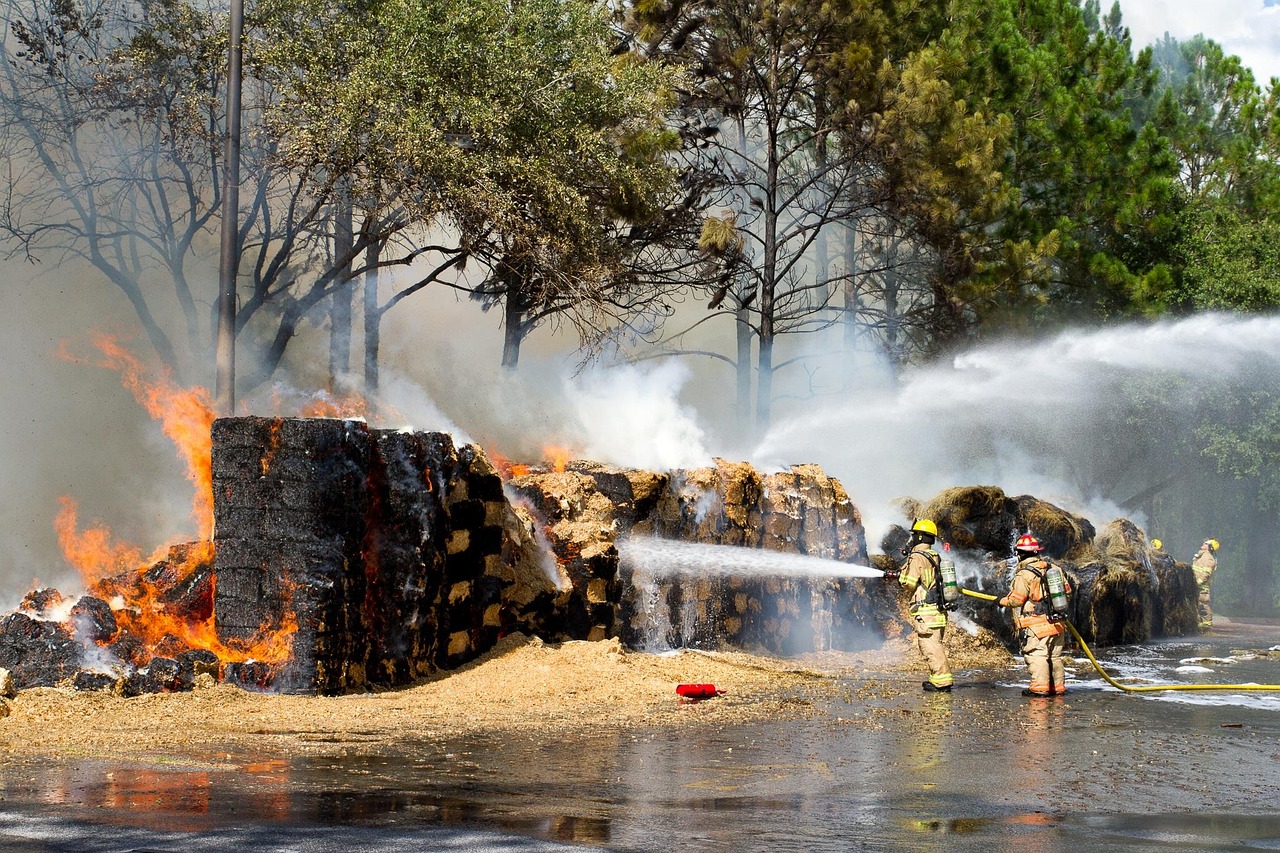
Galvanic corrosion is a common cause of turret seizures; a zerk fitting helps prevent recurrence.
Each fix assumes you’ve already checked the obvious — the lock pin is disengaged and no foreign object is wedged in the rotation path. Measure breakaway torque with a beam wrench before you start. <10 Nm is factory-fresh; 20–30 Nm means lubrication is overdue; >50 Nm signals imminent failure and you’re likely past quick fixes.
1. Penetrating Oil + Hammer Tap (<30 Nm only). Flood the bushing-shaft interface with a creeping oil like PB Blaster or Kroil. Let it dwell 15 minutes. Tap the turret body sideways with a 2 lb brass hammer while an assistant applies steady rotational force with a strap wrench — not a cheater pipe on the tiller, which will snap the casting. This works when oxide buildup is light and moisture hasn’t yet welded the bronze to the steel. Tools: spray can, brass hammer, strap wrench, rags. Elapsed time: 30 minutes.
2. Heat Expansion Method. Heat the outer bushing housing uniformly with a propane torch to approximately 200 °C — use a temperature-indicating crayon to avoid overshooting and damaging nitrile seals. The bronze bushing expands faster than the steel shaft, cracking the corrosion bond. Rotate immediately with a wrench on the turret base flange. Never heat the shaft itself; that swells the shaft and tightens the joint. Tools: propane torch, Tempilstik (200 °C), heat-resistant gloves. Time: 1 hour.
3. Disassemble and Clean the Shaft. Unbolt the retainer plate and lift the turret off. Slide the bushing out — if it’s stubborn, use a bushing driver or a socket as a press mandrel. Clean the shaft journal with a wire wheel or 400-grit emery cloth until all rust-scale is gone. Wipe the bore, then apply a nickel-based anti-seize compound (never copper-based in wet environments; it accelerates galvanic action). Reassemble and confirm torque returns below 10 Nm. Tools: socket set, wire brush, anti-seize, dead-blow hammer. Time: 2 hours.
4. Replace the Bushing. When the bushing ID shows ovality >0.2 mm or deep scoring, cleaning won’t last. Press out the old bushing and install a PTFE-lined replacement. The coefficient of friction drops from 0.20 (standard bronze) to 0.08, which cuts breakaway torque by more than half even when lubrication runs dry. Press in, ream to final fit if needed, and lubricate with a marine-grade calcium sulfonate grease. Tools: arbor press or vice, bushing driver set, adjustable reamer. Time: 3 hours.
5. Retrofit with a Zerk Grease Fitting. Drill and tap a 1/8″ NPT port into the turret base, directly over the bushing annulus. Thread in a stainless zerk. Pump a lithium-complex grease until it purges clean at both shaft ends. This single modification forces moisture out and leaves a continuous grease film. Annual lubrication via zerk takes under two minutes and meets NFPA 25 §13.3 quarterly requirement. Tools: cordless drill, 1/8″ NPT tap, zerk fitting, grease gun. Time: 1 hour.
Field repair costs far less in labor and consumables than a full turret swap. If shaft wear exceeds 0.5 mm on the diameter, skip the repair and order a replacement assembly — a worn shaft will destroy a new bushing within months. For offshore and chemical plants, stock a spare PTFE-lined bushing and a zerk retrofit kit (drill bit + fitting) so any mechanic can execute fix #5 during a shift.

When to Replace vs. Repair
Shaft wear past 0.5 mm, scrap it—no field sleeving in a high-hazard environment.
I’ve seen technicians spend hours polishing a shaft that’s already 0.6 mm undersize. The turret rotates loosely for a week, then seizes again because the bushing now has too much clearance and lets contaminants in. The threshold is not arbitrary. Measure the shaft at the bearing land with a micrometer. Compare against the original print dimension—for most 1.5-in. shafts, the nominal is 38.10 mm. If you’re reading 37.60 mm or less, you’ve crossed the 0.5 mm wear limit. At that point, you’re not repairing; you’re gambling with a fire event.
- Shaft wear >0.5 mm: Replace the entire turret assembly. Field-applied wear sleeves restore diameter but fail under side loads common with elevated monitors.
- Bushing ID >0.3 mm over spec: If the bore is oval or exceeds 38.40 mm on a 38.10 mm nominal, the bushing is done. PTFE-lined replacements drop the friction coefficient to 0.08—less than half that of a standard bronze bushing. Less friction means less heat, less corrosion initiation.
When you order a replacement assembly, ask the supplier to include the torque test report and sample approval for the bushing material—especially if it’s a PTFE upgrade. For offshore or chemical sites, the decision framework is simple: if the shaft is scrap, replace. If only the bushing is worn, repair. But never repair without adding a zerk fitting—otherwise you’ll be back under the monitor with a cheater bar inside a year.

How Minwen Fire’s Factory Direct Supply Helps
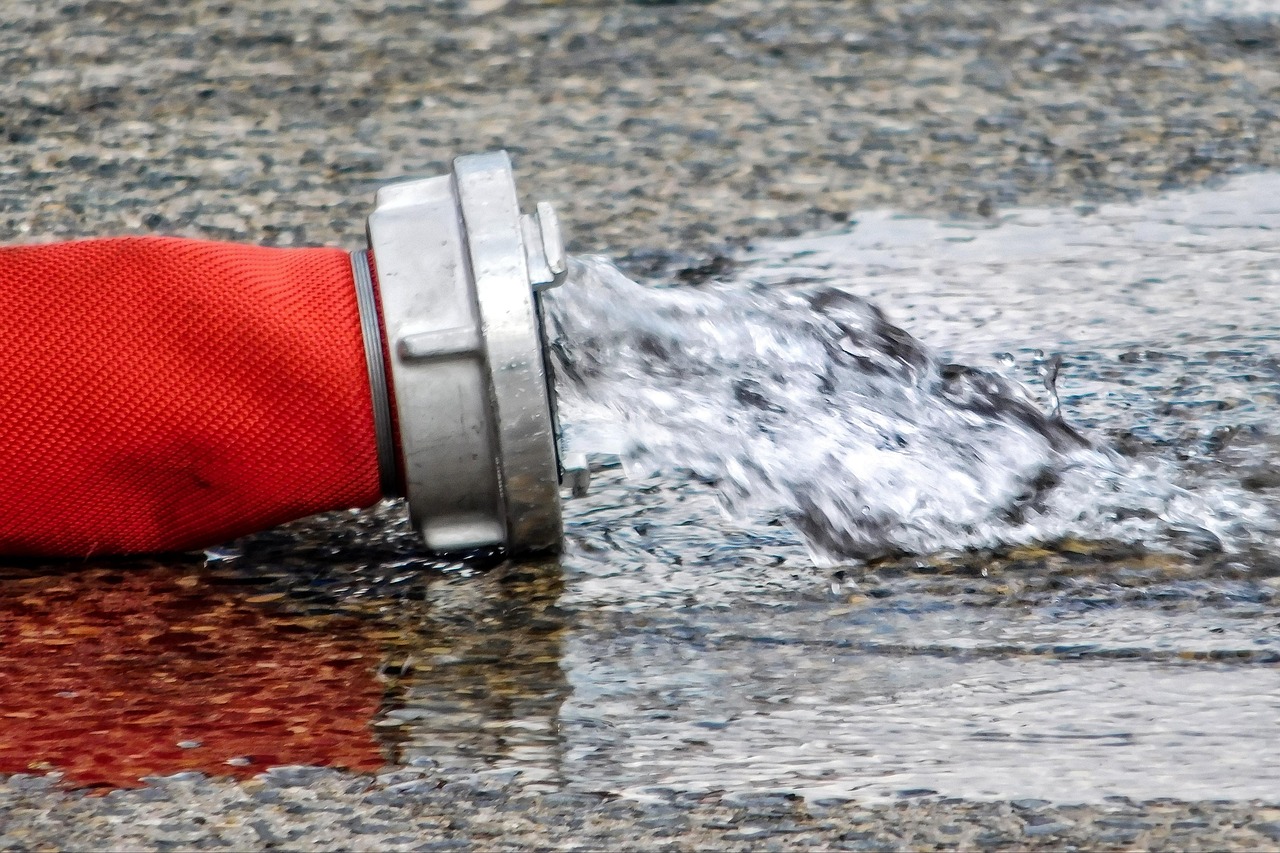
Factory-direct turret assemblies.
When you’re staring down a seized monitor on a live process unit, getting the right replacement part fast is what matters. Minwen’s OEM-grade turret assemblies are manufactured under ISO 9001 and pre-greased before they leave the floor.
- PTFE-lined bushings: Coefficient of friction 0.08 vs. 0.20 for standard bronze. Galvanic adhesion is reduced.
- Mixed SKU orders: Combine turret assemblies, foam monitors, and flow test equipment on one purchase order. No minimum haul across product lines if total volume meets the MOQ of the custom parts.
For offshore platforms, chemical berths, and other high-corrosion environments, standard carbon steel shafts won’t cut it—we’ve seen seizure within six months when operators rely only on annual maintenance. Minwen builds custom turret assemblies with 316L stainless steel shafts, PTFE bushings, and marine-grade bronze fittings that handle continuous saltwater exposure. Minimum order quantity is 200 pcs per model, with bulk lead time of 35–60 days from order confirmation. FOB pricing stays competitive because you’re dealing directly with the technical team that designs the parts, not a distributor adding margin for a catalogue number.
The economics tilt toward factory-direct supply because you skip the distributor markup. Carrying a half-dozen bushings and a spare turret in your stores means a 2-hour swap beats a 2-week procurement outage. That’s the kind of total cost of ownership figure an industrial safety manager can put in a budget request and defend.
Conclusion
A seized turret isn’t a maintenance item to postpone. Let torque drift above 20 Nm without intervention, and a zerk fitting retrofit becomes a full assembly replacement—or worse, a stuck nozzle when seconds count. The five field fixes detailed here keep the repair to 2–4 hours of downtime, at far lower cost than a full swap. The zerk retrofit alone cuts future seizure risk.
Take a torque wrench to your turrets now. If the reading crosses 20 Nm, order a retrofit kit or browse Minwen’s factory-direct turret assemblies.
Frequently Asked Questions
Can I fix a seized fire monitor without disassembly?
Yes, often by applying penetrating oil and lightly tapping the turret housing to break light galvanic corrosion. If no movement occurs after three attempts, disassembly is required to avoid internal damage. Stop after three cycles if no progress; move to internal cleaning.
What torque is normal for a fire monitor turret?
Normal rotation torque falls under 10 Nm for a properly greased monitor. Readings above 50 Nm signal advanced corrosion and imminent seizure. Check torque quarterly to catch wear before it locks up.
Is it safe to use a cheater bar on a stuck monitor?
No, a cheater bar easily exceeds the shaft’s 0.5 mm wear limit, stripping gears or bending the shaft. Once deformation occurs, the turret must be replaced. Use penetrating oil and controlled tapping only.
How long does a repair take?
A field repair typically takes 2 to 4 hours, assuming no major parts are damaged. If shaft wear exceeds 0.5 mm, full replacement extends downtime. Keep a spare monitor on site for critical protection during repair.
Does Minwen provide technical support for remote sites?
Yes, Minwen offers remote technical support for turret rotation issues, including video diagnostics and grease fitting retrofit guidance. Contact your rep with the monitor serial number.