fire hose reel brake is the first checkpoint buyers should lock before they approve a supplier, budget, or production slot. The danger is real. A 100-foot fire hose reel whipping uncontrolled can knock a grown worker off their feet within seconds. factory-calibrated brakes and spring preload wear down over time — sintered bronze pads thin past the 1/16-inch threshold, and cold-wound music wire springs fatigue from months stored fully rewound under tension. When retraction speed climbs above the safe 3–5 ft/second target, the whiplash risk spikes and your incident record takes the hit. This guide gives you the deterministic fix: 3/8-inch hex key, 10 ft-lb torque on side cover bolts, checks for the brake pad and spring assemblies, and step-by-step tension adjustment procedures — no service call needed.hose endsintered bronze brake pads
Here’s what competitors don’t tell you. Many whiplash complaints trace back to reels left fully wound under tension for more than two consecutive months. That sustained load causes spring memory lock, a permanent loss of elastic hysteresis that makes the reel retract violently even with a new brake pad. The standard advice of “just adjust the brake” ignores this root cause. You need to know whether the spring itself is compromised. For a 1-inch hose, set 4 preload turns. A 1.5-inch hose needs 6. This article delivers the manufacturer-backed specs generic repair blogs never publish, so you restore controlled retraction and extend reel life without guesswork.

Why Fire Hose Reels Retract Too Fast
Many whiplash incidents trace back to reels stored fully wound under tension for over 2 months — a root cause your maintenance log likely misses.
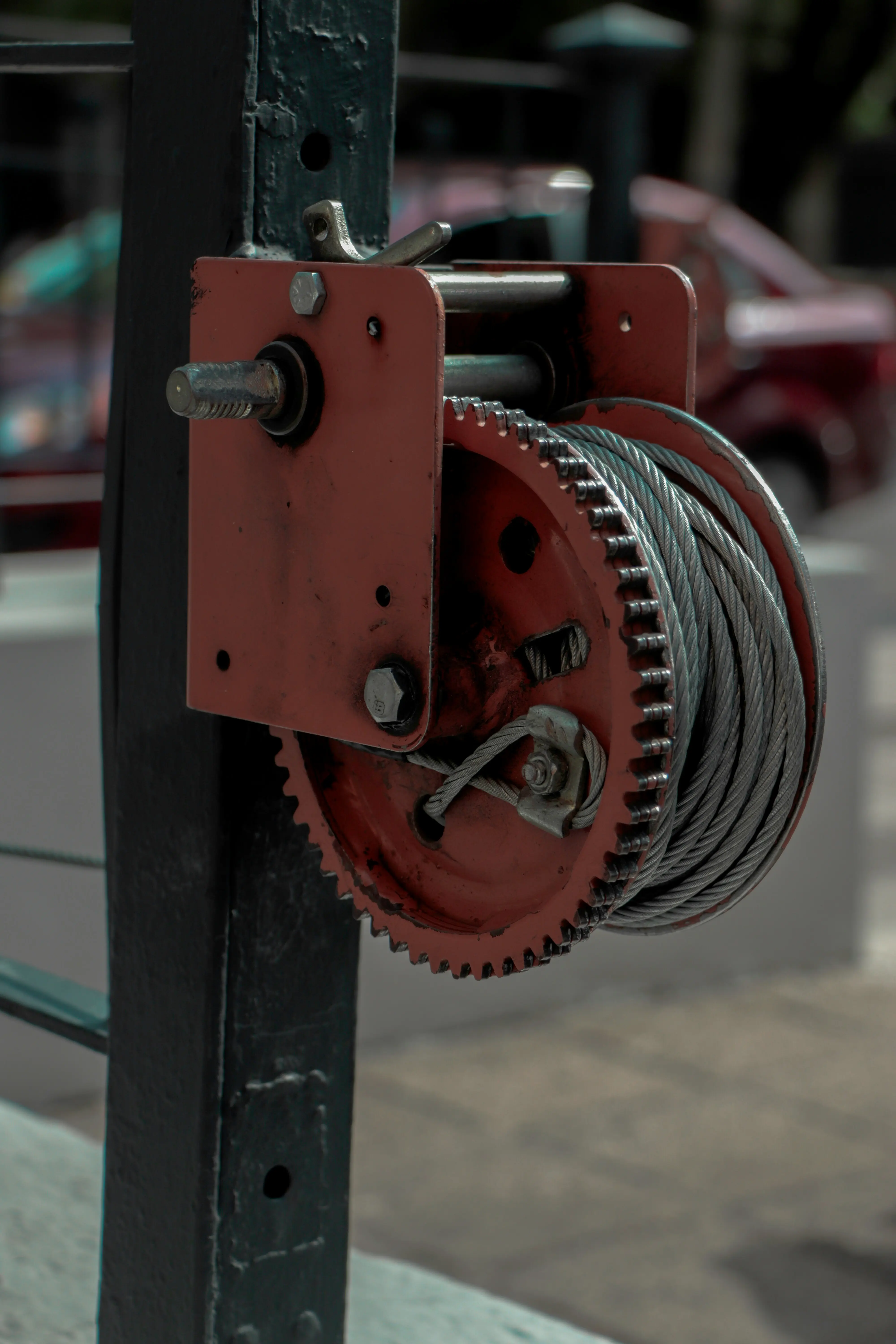
You are dealing with a cold, hard physics problem. Pulling out 100 feet of 1.5-inch hose stores kinetic energy in a spiral spring, and that energy wants to release — instantly. When the sintered bronze brake pad wears below 1/16 inch, the friction surface drops below the threshold needed to control that release. The result is a hose that snaps back at speeds exceeding 10 ft/second — well above the safe target of 3–5 ft/second.
Uncontrolled retraction happens in three distinct ways. Here is the breakdown:
- Once thickness drops past this mark, the sintered bronze friction disk loses much of its friction. The fix is simple — replace the brake pad.
- Storing the reel fully rewound for over 60 days causes the cold-wound music wire (0.125-inch diameter) to take a set. The spring loses its ability to deliver consistent torque across the full retraction cycle.
- Guide arm misalignment is a common culprit. A bent or missing arm lets the hose enter the drum at an angle steeper than 15 degrees. That causes uneven spooling, and the last 20 feet of retraction whip back with sudden acceleration.
Never lubricate the brake pad. Sintered bronze needs dry friction — any oil or grease kills the braking coefficient, permanently. The only fix is a new sintered bronze pad. Composite pads from other suppliers degrade under the heat of rapid retraction cycles. Sintered bronze holds consistent performance through its rated service life.

Brake Adjustment for Fire Hose Reels
Many whiplash complaints trace back to reels stored under full tension for over two months.
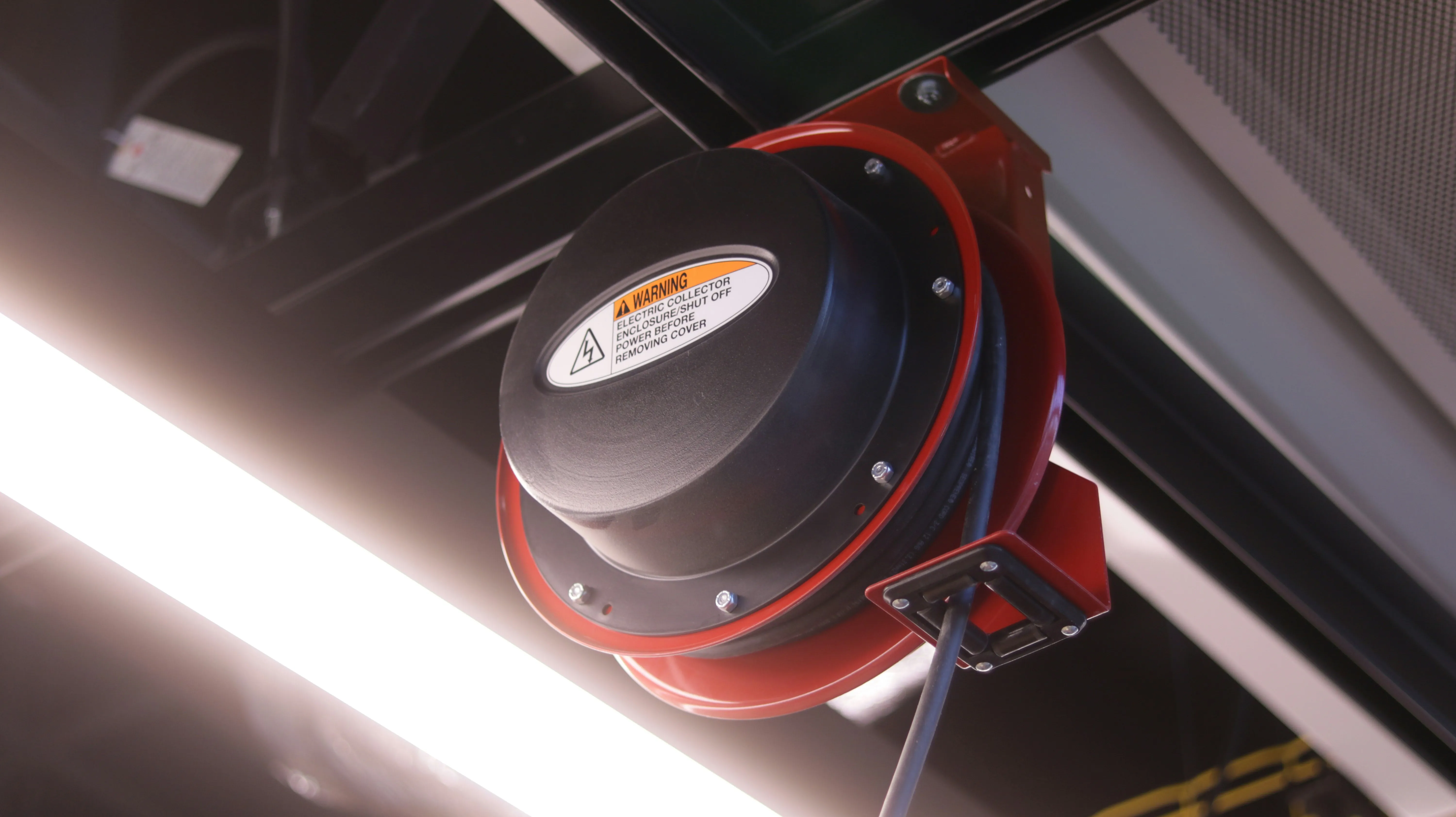
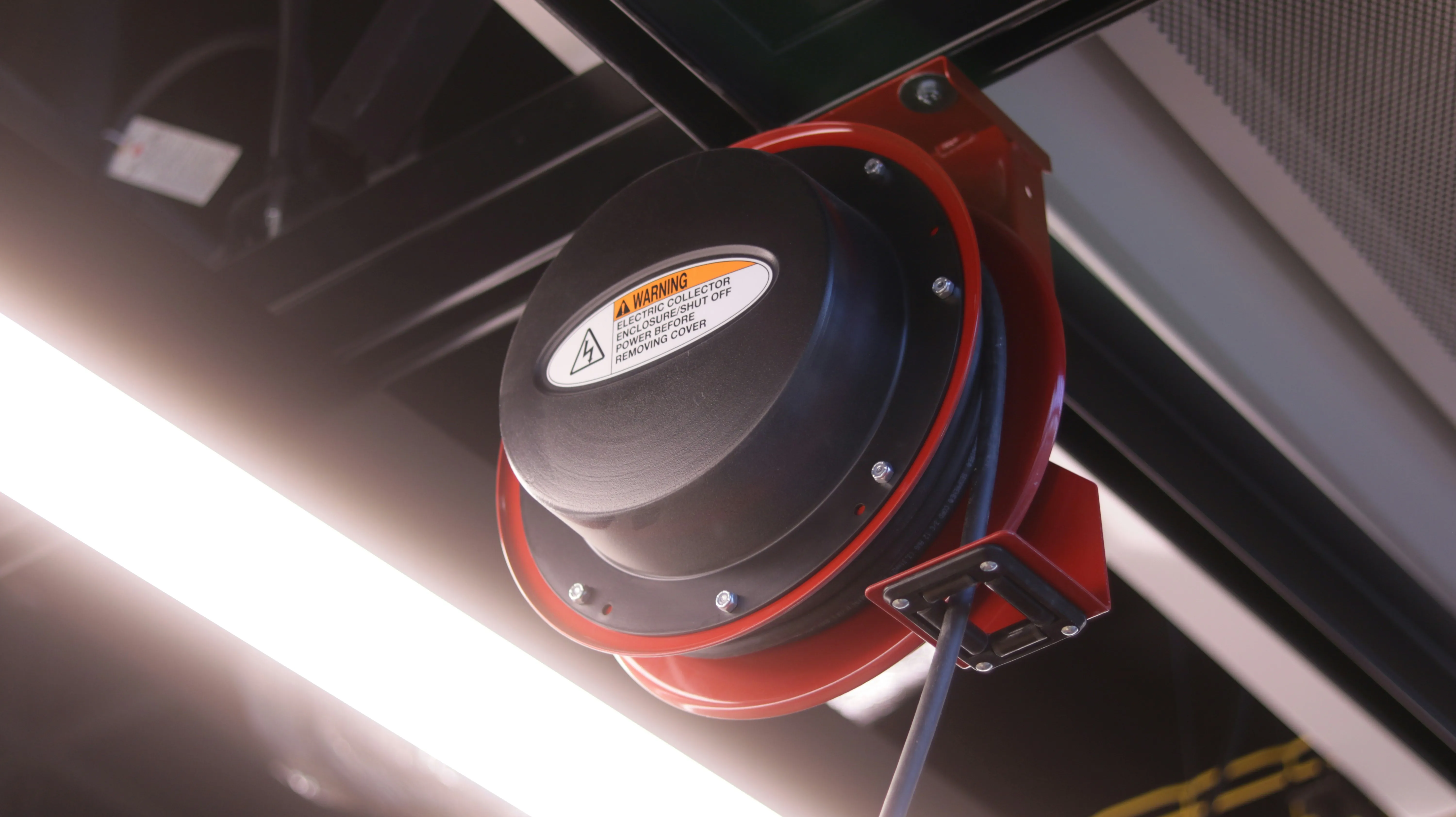
You are working with a spiral spring. It stores mechanical energy when you pull the hose out, then releases that energy during retraction. Once the sintered bronze brake pad wears below 1/16 inch, the braking force drops off a cliff. At that point, the reel becomes a projectile launcher.
Guide arm misalignment is the second main problem. When the arm is bent or missing, the hose enters the drum at an off angle. That causes uneven winding, which makes the hose whip sideways as it retracts. Diagnose it by watching the rewinding — if the hose stacks unevenly on one side, the guide arm needs realingnment or replacement.
The root cause most competitors ignore: spring memory lock. When a reel sits fully rewound under tension for over 2 months, the cold-wound music wire takes a permanent set. The spring can’t deliver consistent torque across the full retraction cycle. That explains why the first 20 feet retract normally, then the last 30 feet snap back at dangerous speed.
For replacement brake assemblies compatible with your existing reel, check our fire hose cabinets and reels.fire hose cabinets and reels

Fire Hose Reel Spring Replacement Guide
Many whiplash incidents trace back to reels stored fully rewound under tension for over 2 months — a root cause your maintenance schedule likely ignores.
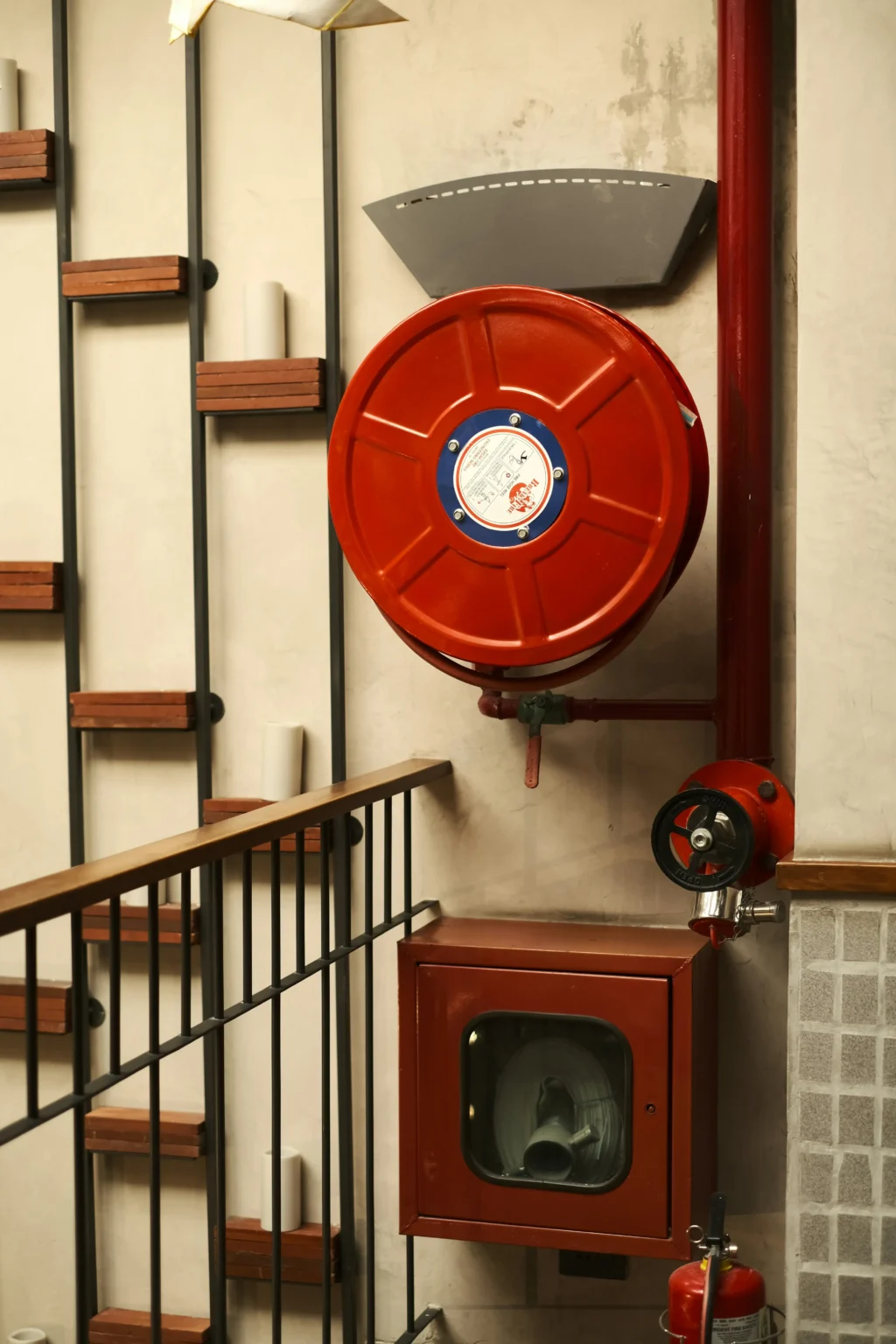
A spiral spring stores energy as you pull the hose out. Let that energy release uncontrolled, and you get a whiplash injury. The fix isn’t guesswork — check two components, and you’ll know exactly what’s wrong.
Start with the sintered bronze brake pad. If it’s worn below 1/16 inch thick, braking force drops below the safe threshold. Then check the guide arm alignment — a bent or missing arm lets the hose enter at an angle, which amplifies the snap-back force. Both issues take under 5 minutes to diagnose in the field.
Here’s the one competitors ignore: spring memory lock. A reel sitting fully wound for 2+ months develops a set in the cold-wound music wire spring (0.125-inch diameter). It loses its progressive resistance curve and dumps all stored energy in one violent snap. You can’t adjust this out — the spring gets replaced.
| Component | Specification | Cycle Life / Torque Note / Risk if Exceeded | Replacement Signal |
|---|---|---|---|
| Spring Wire Material | 0.125-inch cold-wound music wire | — | Reel fails to retract fully or zips back |
| Spring Preload Turns | 4 turns (1-inch hose) / 6 turns (1.5-inch hose) | Factory-set; do not field-adjust | Weak retraction or spring memory lock after >2 months storage |
| Brake Pad Material | Sintered bronze (≥1/16 inch thickness) | — | Pad thickness <1/16 inch; retraction speed >5 ft/s |
| Brake Adjustment Tool | 3/8-inch hex key | 10 ft-lb (M8 socket head bolts) | Brake force insufficient after 1/4 turn adjustment |
| Retraction Speed Target | 3–5 ft/second (0.9–1.5 m/s) | Whiplash and worker injury | Speed exceeds 5 ft/s after brake adjustment |
How to Adjust Spring Tension on a Hose Reel
Many whiplash complaints trace back to reels stored fully wound under tension for over 2 months. That is a spring memory lock, not a brake failure.
The physics is straightforward. A spiral spring stores kinetic energy as you pull out the hose. When that energy releases faster than the brake can handle it, the result is whiplash. The sintered bronze brake pad creates the friction to slow that release. Once the pad wears below 1/16 inch, braking force drops sharply. The hose accelerates uncontrolled from there.
Three root causes cause this, not just one. Check them in this exact order:
- Brake pad wear: Measure pad thickness with a caliper. Below 1/16 inch? Replace with sintered bronze only. Do not lubricate the pad surface. It destroys friction immediately.Brake pad wear
- A bent guide arm is the most common reason a controlled retraction hose reel jerks instead of gliding. The hose needs a straight entry into the drum—any angle off and it stacks unevenly, then snags. Straighten the arm or replace it. Verify with a straightedge before touching anything else.Guide arm misalignment
- Spring memory lock happens when a reel sits fully wound under tension for over 60 days. That 0.125-inch cold-wound music wire takes a permanent set. The result is violent retraction no matter how good the brake is. Spring rewind hose reel safety risks don’t come from adjustment—they come from a spring that has already locked in maximum tension. Replace the cassette. Do not try to “fix” it.Spring memory lock
Target a safe retraction speed of 3–5 ft/second. Anything faster and you are asking for a lawsuit. Measure it with a stopwatch over a 50-foot pull—do not estimate. If the last 10 feet does not decelerate, your brake is gone or the spring has memory lock. Fire hose reel retraction speed control starts with measurement, not guessing.

Internal Linking Strategy
A spring that has been stored fully wound for 60 days loses its elastic memory. You cannot adjust that out—you replace it.
You cannot adjust spring tension on a standard fire hose reel. The spring is a sealed cassette of cold-wound 0.125-inch music wire, preloaded at the factory: 4 turns for a 1-inch hose, 6 turns for a 1.5-inch hose. That preload is fixed. Trying to wind it tighter introduces torsional stress the wire was never designed for. The brake is where you look for tension control, not the spring.
A reel that retracts too fast is almost never a spring problem. It is the brake. The sintered bronze pad provides the friction that controls spring energy release. Once pad thickness drops below 1/16 inch, braking force drops sharply. The reel accelerates uncontrolled. That is where you focus on how to adjust fire hose reel brake tension—at the pad, not the cassette.
Weak retraction means the hose stops halfway—fatigued spring. Fast retraction means whiplash risk—worn brake or misaligned guide arm. Mix those two up and you will replace parts you do not need. Confirm the symptom before ordering.
The only thing you can adjust in the field is the brake hex bolt. Grab a 3/8-inch hex key. Turn it clockwise in 1/4-turn steps. Then pull out 50 feet of hose and let it retract. You want the reel to slow down in the last 10 feet—no faster. If a full turn of that hex bolt still doesn’t get retraction down to the 3–5 ft/second sweet spot, the brake pad is done. Replace it. And for the love of safety, do not lubricate the pad. Sintered bronze works on dry friction. Oil or grease kills that friction instantly, and you’ll have a free-spinning reel.
On the rare reel with an adjustable spring preload (check your manual—most don’t have this), the adjustment bolt sits on the spring housing, not the central brake bolt. Turn the wrong one and you’ll over-stress the spring cassette. Not sure? Call technical support with the model number and serial. Guessing isn’t worth the risk.
Conclusion
Controlled retraction isn’t optional—it’s a direct safety requirement. A safe retraction speed of 3–5 ft/second prevents whiplash injuries and keeps your equipment working longer. Follow the brake adjustment steps and replacement criteria here, and your site stays compliant. Your crew stays safe.
Run through your inspection checklist against the wear thresholds in this guide. Brake pad below 1/16 inch? Spring showing memory lock? Then browse our fire hose cabinets and reels for OEM replacement parts.
Frequently Asked Questions
How to increase tension on a retractable hose reel?
Increase tension by turning the central hex bolt on the brake assembly clockwise in 1/4-turn increments. This compresses the friction disk and adds braking force to slow retraction. Test after each 1/4 turn to avoid locking the reel.
How to stop a hose from retracting?
You cannot fully stop retraction on a spring-driven reel, but you can lock the drum using the manual latch or pin if your model has one. For permanent control, adjust. Check your reel model for a locking pin before modifying the brake.
What are the common problems with retractable air hose reels?
Common problems include worn brake pads, spring fatigue from being stored under tension too long, and guide arm misalignment. These cause either too-fast retraction, whiplash, or failure to retract fully. Inspect brake pads and spring condition first before replacing parts.
How to adjust spring tension on a hose reel?
Spring tension is factory-set and not user-adjustable on most fire hose reels; you adjust retraction speed via the brake, not the spring. If the spring is fatigued, replacement. Only replace the spring if the reel fails to retract or zips back uncontrollably.
How to reduce spring tension on a hose reel?
You cannot reduce spring tension without disassembling the spring cassette, which is dangerous and not recommended. Instead, increase brake force to slow retraction speed safely. Always adjust the brake, not the spring, for speed control.