The sprinkler schedule already contains the answer. Temperature rating, response type, and orientation are fixed per zone before any supplier is contacted — yet RFQs routinely go out naming a sprinkler and a finish, leaving the schedule behind.
This guide builds the submittal table from the schedule itself, then compares what the supplier selected against what the zone requires.
Direct answer: Build the RFQ and submittal table from the project sprinkler schedule, zone by zone, carrying the temperature rating, response type, orientation, and finish code. Approve a supplier selection only where it repeats the schedule value rather than an equivalent.
Read the project sprinkler schedule first
For fire sprinkler temperature rating finish code, treat the listed items as RFQ inputs. Match each buyer input to written supplier confirmation, approval evidence, and the risk that would hold the quote.
- Check the sprinkler schedule for the specified temperature rating and response type for each zone. Temperature rating (ordinary, intermediate, high) and response type (standard, quick, residential) directly affect system activation timing and code compliance for the hazard classification. A commercial kitchen hood requires a high-temperature-rated sprinkler, while an office area uses ordinary temperature. Verify the schedule lists the correct rating per NFPA 13 occupancy classification. Installing the wrong temperature rating can cause premature activation near heat sources or delayed activation in a fire, leading to failed inspection and potential liability. Compare the schedule's temperature and response designations against the project's hazard classification and local code requirements before submitting the RFQ.
- Verify the sprinkler finish, coating, and escutcheon requirements listed in the schedule. Finish (chrome, brass, white, or custom paint) and coating (wax, Teflon, or corrosion-resistant) affect both aesthetics in exposed spaces and long-term performance in corrosive environments. A parking garage requires corrosion-resistant coated sprinklers, while a finished ceiling calls for a chrome or white painted head with a matching escutcheon plate. Ordering standard brass sprinklers for a corrosive environment leads to premature failure and replacement costs. Wrong finish in a visible area causes rework and delays. Document the finish and coating specifications from the schedule and confirm with the supplier that the quoted model matches these exact requirements.
- Confirm the sprinkler orientation (upright, pendent, sidewall, or concealed) as specified per location. Orientation determines water distribution pattern, coverage area, and pipe installation. Using the wrong orientation can leave areas unprotected or cause water damage. A warehouse with open ceiling joists requires upright sprinklers, while an office with a suspended ceiling needs pendent or concealed heads. Sidewall units are used in hallways or rooms with limited ceiling space. Installing pendent sprinklers in an upright-only application can cause uneven coverage and code violation, resulting in failed inspection and costly retrofit. Cross-reference the orientation listed in the schedule with the ceiling type and structural layout of each area before finalizing the quote.
- Review the schedule for any special marking, identification, or accessory requirements (e.g., guards, shields, or wrenches). Special markings (e.g., 'QR' for quick response) or accessories (sprinkler guards in high-risk areas, or special wrenches for installation) are often required by code or project specifications. A storage facility with high-piled racks may require sprinkler guards to prevent mechanical damage. The schedule may also specify a particular wrench type for the chosen model. Missing a guard requirement can lead to sprinkler damage during operation, while omitting a special wrench can delay installation and increase labor costs. List all special markings and accessories from the schedule and include them in the quote request to ensure the supplier can provide the complete assembly.
- Check the schedule for the orifice size and K-factor of each sprinkler model specified. Orifice size and K-factor determine the flow rate and pressure required for the hydraulic design. Mismatched K-factors can cause the system to underperform or fail hydraulic calculations. A light hazard office may use K-factor 5.6 sprinklers, while an industrial warehouse may require K-factor 11.2 or larger for adequate coverage. The schedule must list the exact K-factor per zone. Ordering the wrong K-factor can invalidate the hydraulic calculation submittal, causing plan rejection and project delays. It may also lead to insufficient water supply for fire control. Match the K-factor and orifice size from the schedule to the supplier's product data sheet and request a hydraulic calculation confirmation before ordering.
Application, temperature, response, and orientation inputs
The sprinkler schedule lists the temperature rating, response type, and orientation for each zone. These inputs determine the sprinkler's activation time and coverage area. A mismatch with the hazard classification can cause code failure or property damage. Compare each line item against the project's NFPA 13 hazard table before sending the quote request.
Finish, marking, and accessory requirements
Finish and marking are often overlooked but critical for inspection and corrosion resistance. The schedule may specify chrome, brass, white, or custom paint, plus factory markings per UL or FM standards. Missing these details can delay approval or require rework. Document the exact finish code and marking requirement on each quote request line item.
For read the project sprinkler schedule first, ask whether this choice changes the minimum order quantity or order split before the buyer signs the approval record.
Build the RFQ and submittal table
For fire sprinkler temperature, use a release rule: approve only when the supplier evidence matches the written requirement.
- Does the supplier provide a product code that matches the submittal schedule for each sprinkler model? A mismatch between the supplier's internal code and the project schedule causes re-submittal delays and potential rejection at plan review. The supplier cross-references its product code to the schedule line item and provides a written crosswalk. Approval is held up; incorrect product may be shipped, requiring costly reorder and project delay. Request a digital copy of the product code crosswalk before sample approval.
- How does the supplier verify the finish code against the approved sprinkler schedule? Finish code errors are a common cause of submittal rejection; the supplier must have a documented verification step. The supplier uses a checklist that compares the finish code on the carton label to the schedule before packing. Wrong finish is shipped, leading to field replacement and re-inspection costs. Require the supplier to include a finish-code verification photo in the submittal package.
- What is the supplier's process for documenting temperature rating on the submittal documents? Temperature rating must match the hazard classification; an undocumented rating can fail code compliance. The supplier stamps the temperature rating on the submittal document and provides a test report on demand. Non-compliant sprinklers are installed, requiring system rework and potential liability. Verify the temperature rating on the supplier's submittal document against the project specification.
- Does the supplier have a quality control gate that checks the submittal table against the packing list before shipment? Without a QC gate, errors in quantity, model, or finish slip through, causing shipment blocks and reorder costs. The supplier runs a final submittal-to-packing-list cross-check and provides a signed release document. Incorrect shipment is received, delaying project completion and triggering restocking fees. Ask for a copy of the signed QC release as part of the shipping documentation.
- How does the supplier handle spare sprinkler quantities and packing requirements in the submittal? Spare quantities and packing type affect total cost and project readiness; missing spares cause last-minute orders. The supplier lists spare quantities and packing method in the submittal and confirms they match the contract. Spares are omitted or arrive damaged, leading to emergency sourcing at premium cost. Confirm spare quantities and packing type are included in the submittal table before order release.
Product code and document fields
When building commercial fire protection solutions, the buyer must verify that the supplier's product code matches the project schedule exactly. A mismatch forces re-submittal and delays approval. Ask the supplier to provide a written crosswalk that links each code to the schedule line item. This step prevents incorrect product from being shipped and keeps the submittal process on track.
Quantity, spare, and packing inputs
The submittal table must list the total quantity, spare sprinkler count, and packing method for each model. Missing spares or incorrect packing can delay project completion and increase costs. Require the supplier to include these fields in the submittal and confirm they match the contract. A signed QC release that cross-checks the packing list against the submittal table is a reliable signal.
quote request checkpoint
Compare supplier selections with the schedule
For fire sprinkler temperature, use Compare supplier selections with the schedule as one quote request checkpoint. Each row should identify the requirement, approval evidence, and buyer action before production.
| Requirement | Factory control | Evidence to verify | Order risk | RFQ follow-up |
|---|---|---|---|---|
| Finish or surface effect | Factory matches approved RAL or texture chip under standard lighting. | Compare supplied finish sample against project-approved color standard. | Non-conforming finish delays inspection and may require re-coating at supplier cost. | Request a sealed finish sample before production release. |
| Sample approval | Supplier submits pre-production sample with signed approval sheet. | Inspect sample for dimensions, finish, and marking; sign off in writing. | Skipping sample approval can lead to full batch rejection at site. | Shortlist only suppliers who provide sample within 15–20 days. |
| Material / substrate | Factory certifies material grade per spec (e.g., brass, steel, or alloy). | Request mill certificate or material test report with each shipment. | Substitute material may fail corrosion or pressure tests on site. | Verify material grade in RFQ and approve only documented sources. |
| Width or size tolerance | Production holds the buyer-approved tolerance on critical dimensions per drawing. | Measure three random pieces from first run; record deviations. | Oversized or undersized heads cause installation rework and leaks. | Ask supplier to include dimensional inspection report with sample. |
| Finish or color control | Batch-to-batch color consistency verified by spectrophotometer. | Require color measurement report for each production lot. | Visible color variation across floors triggers rejection by owner. | Approve finish only after reviewing spectrophotometer data. |
Read the rows as one approval sequence for this fire sprinkler temperature order. Start with finish or surface effect; use the risk and buyer-action columns to decide whether its evidence is sufficient. Verify it with the inspection method and approval evidence recorded in the table.
Keep the supplier response, marked sample, and approval owner for fire sprinkler temperature under the same revision number. If any proof conflicts with the approved record, hold the quote, sample, or production release until the supplier explains the deviation in writing. Before closing the checkpoint, reconcile the latest drawing, sample, quotation, and approval comments, identify which record controls if they disagree, and document the resolution. Carry the signed Compare supplier selections with the schedule table into the purchase order and production handoff so the same checks support quote comparison, sample approval, shipment release, and later reorders.
Rating and finish mismatches
When the approved sprinkler schedule lists a temperature rating and finish code that differ from the supplier's standard offering, the buyer must flag the discrepancy before production. A mismatch in temperature rating can cause premature activation or failure to activate during a fire, while a finish mismatch may violate the project's aesthetic or corrosion-resistance requirements. The procurement team should compare the supplier's catalog data against the schedule line by line and request a corrected quote or a documented deviation request before any order is placed.
Substitutions that need approval
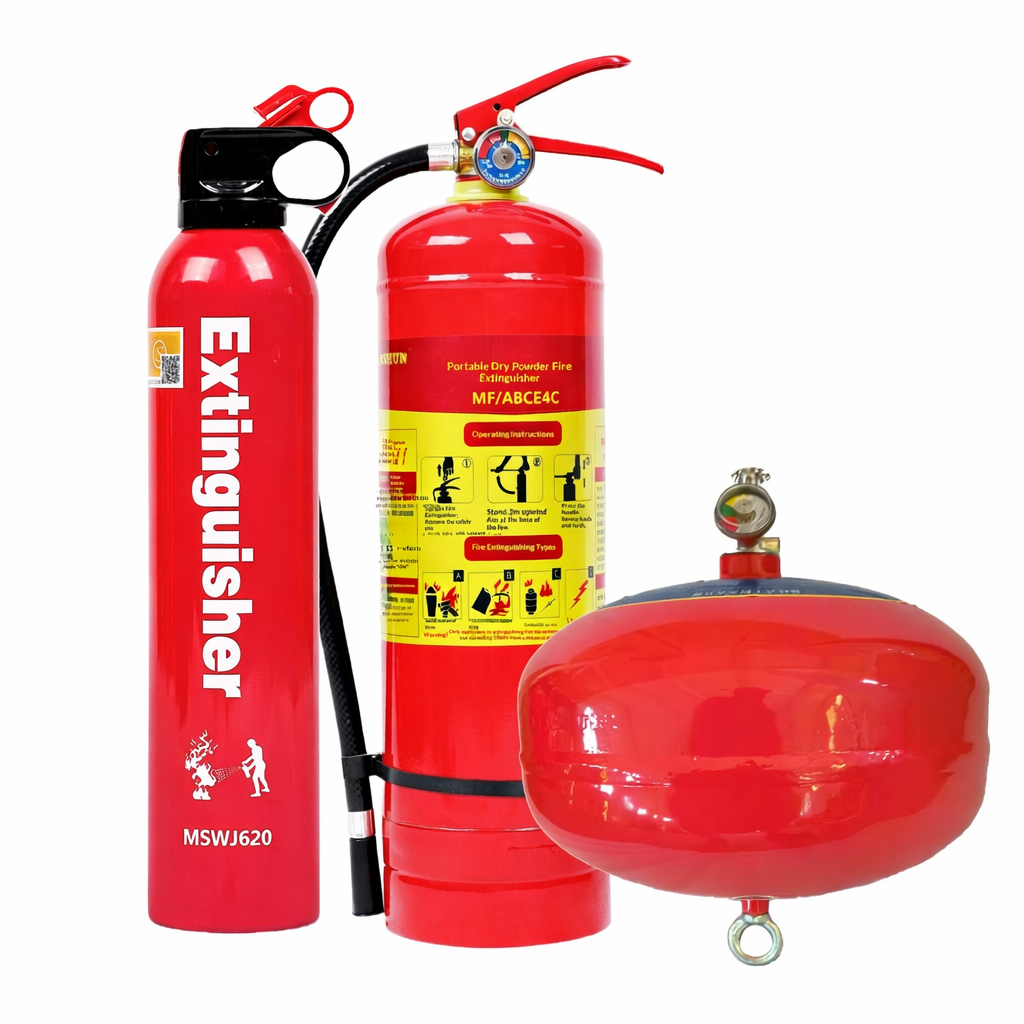
If a supplier proposes a substitute for a specified temperature rating or finish code, the buyer must obtain formal approval from the design engineer or authority having jurisdiction before proceeding. Unapproved substitutions can void warranties, delay inspections, and create liability issues. The procurement professional should document the substitution request, the engineer's written approval, and any revised lead time or cost impact. This step is critical for maintaining compliance with the project specification and avoiding rework. For related sourcing needs, review fire extinguishers products specifications to ensure alignment across all fire protection equipment.
Review drawings, data sheets, and samples
The about us editorial team prepares B2B fire-equipment sourcing guidance from approved references. The first verifiable record in a fire sprinkler submittal review is the project’s sprinkler schedule and the corresponding manufacturer data sheets. These documents confirm the specified temperature rating and finish code before any procurement begins. A cross-check against the latest NFPA 13 SPRINKLER SYSTEM PLAN REVIEW CHECKLIST ensures compliance with commercial standards.
Evidence checklist
Use a structured table to verify each item against the submittal:
- Temperature rating: Match schedule to data sheet
- Finish code: Confirm with sample
- Listings: UL/FM listing numbers
Table entries must be signed off by the reviewing engineer. Incomplete entries increase production risk and may delay factory execution. Always request a physical sample of the finish to avoid color mismatch.
Exception and revision control
When a supplier’s data sheet does not match the project schedule, document the exception and request a revised submittal. The quote request process should include a clause that any deviation requires written approval before sample handoff. This controls cost overruns from rework and ensures the factory executes the correct specification.
Lock the approved schedule for shipment
If a supplier ships sprinklers with a temperature rating or finish that deviates from the approved submittal, the entire batch may be rejected at the job site, causing costly reorders and project delays. To prevent this, enforce a release rule: approve shipment only after the supplier provides evidence—such as a signed packing list or batch photos—that each sprinkler’s temperature rating and finish code matches the written requirement on the quote request and approved submittal.
Marking and packing verification
Before shipment, require the supplier to submit a verification checklist confirming that every carton label lists the correct temperature rating (e.g., the buyer-approved test temperature) and finish code (e.g., chrome or white). Ask: “Can you provide a photo of the label on each pallet showing the rating and finish?” This step reduces the risk of mixing wrong ratings in a single order, which is a common production error.
Reorder and replacement records
If any sprinkler is rejected during inspection, maintain a log that ties the replacement order back to the original approved schedule. Use a simple table to track reorders:
| Original Order ID | Replacement Order ID | Temperature Rating | Finish Code | Status |
|---|---|---|---|---|
| RFQ-1024 | REP-1024A | the buyer-approved test temperature | Chrome | Shipped |
| RFQ-1025 | REP-1025B | the buyer-approved test temperature | White | Pending |
This record ensures that replacements are not shipped with unapproved ratings, and it provides an audit trail for factory quality control. For more details on sprinkler specifications, see our product catalog products.
Source check: COMMERCIAL FIRE SPRINKLER SYSTEM SUBMITTAL ..
Source check: FIRE SPRINKLER PLAN SUBMITTAL CHECKLIST; Rockdale County Fire Rescue.
In conclusion
The final approval of a fire sprinkler temperature rating finish code submittal depends on verifying that every specification, cost/MOQ impact, lead-time commitment, and quality risk has been documented and cross-checked against the project schedule. Compare supplier proofs—such as test reports and certification documents—against the approved schedule before shortlisting any factory. When the submittal is locked, request a quote and approve a sample only after the temperature rating, finish code, and all supporting documents are confirmed in writing. This structured check prevents mismatched components and keeps the procurement timeline on track.
To request a quote, visit fire sprinklers alarm valves products and confirm the final specification, quote assumptions, sample approval, QC evidence, approval risk, and supplier follow-up before bulk order.
Sprinkler rating and finish FAQ
What should buyers confirm before RFQ?
Only if the project specification, temperature rating, and finish code are fully documented. Shortlist only suppliers that can provide a data sheet matching the required temperature rating and finish, then verify the cost and MOQ against the project budget. Confirm the lead time by requesting a production schedule—standard production lead time is confirmed after specifications, certification, packaging, quantity, and schedule are agreed. Document any supplier risk, such as a mismatch between the data sheet and the project schedule, and request a sample for QC verification before placing the full order. After sample approval, follow up with the quote request to lock the approved schedule.
How should exceptions be documented?
Document each exception in a structured table that includes the specification deviation, the reason, and the approving engineer’s signature. For example, if a supplier’s data sheet shows a different finish code than the project requires, note the discrepancy and attach the approved deviation. Compare the exception against the cost and MOQ impact—if the change affects the unit cost, confirm the adjusted price in the quote request. Verify the sample against the approved exception before shipment, and include the signed exception form with the submittal package. Follow up with the supplier to ensure the production schedule reflects the approved change.
quote request handoff: Send Specs for Review.